Unveiling the Art of Garage Floor Rejuvenation: A Comprehensive Guide How To Clean Oil Off The Garage Floor
Are you exploring the quest to restore the pristine allure of your garage floor?
This comprehensive guide is your roadmap to banishing unsightly oil stains. From identifying the enemy to unleashing potent cleaning concoctions, we’ll guide you through each step of How To Clean Oil Off The Garage Floor to ensure your garage floor becomes a gleaming testament to your dedication.
Table of Contents
The Oil Stain Nemesis: Get to know the arch-nemesis: oil stains. Understand the various types of oils that might tarnish your garage floor, from motor oil to cooking oil. Identifying the enemy is the first step in devising an effective cleaning strategy.

How To Clean Oil Off The Garage Floor: Assessing the Damage
Before diving into battle, assess the extent of the damage. Isolated spots or widespread stains?
Different cleaning approaches apply based on the size and age of the oil stains. Proper evaluation ensures you choose the right weapons for your cleaning arsenal.
How To Clean Oil Off The Garage Floor: Tools of the Trade
Equip yourself with the essential tools for a victorious cleaning campaign. From absorbent materials and cleaning agents to scrub brushes and pressure washers, learn how each tool plays a crucial role in banishing oil stains from your garage floor.
Absorption Alchemy – Cat Litter and Cornstarch
Harness the power of absorption. Explore how everyday items like cat litter and cornstarch can work wonders in pulling oil from the depths of your garage floor. Learn the art of creating absorption barriers to lift stubborn stains.
Degreasing Elixirs – DIY Cleaning Solutions
Enter the laboratory of DIY cleaning solutions. Uncover the magic of concocting your degreasing elixirs using household items like baking soda, dish soap, and vinegar. These potent mixtures are not only practical but also environmentally friendly.
The Enchanting Power of Coca-Cola
Surprise! Coca-Cola isn’t just a refreshing beverage. Dive into the unique cleaning properties of this household staple and discover how its fizzy magic can help break down and lift oil stains from your garage floor.
Pressure Washing Prowess
Unleash the power of pressure washing. Learn the art of wielding a pressure washer to dislodge and eliminate even the most entrenched oil stains. This part provides a step-by-step guide to achieving optimal results without causing damage to your garage floor.
How To Clean Oil Off The Garage Floor: Step-by-step Guide To Achieving The Expected Results Without Causing Damage To Your Garage Floor
- Clean the Floor: Sweep or vacuum the garage floor to remove dirt and debris. Use a mild detergent to clean any stains.
- Repair Cracks: Fill any cracks or potholes with epoxy filler to ensure a smooth and even surface.
- Choose the Right Coating: Select a high-quality epoxy or concrete sealer that suits your garage floor. Consider factors like durability and resistance to chemicals.
- Prepare the Surface: Etch the floor with an acid-based solution or mechanical grinder to ensure proper adhesion of the coating.
- Apply the Coating: Follow the manufacturer’s instructions for applying the chosen coating. Use a roller or brush for even coverage.
- Allow Drying Time: Let the coating cure for the recommended time before placing any heavy objects or vehicles on the floor.
- Add Traction Additives (Optional): If desired, mix traction additives into the coating for a slip-resistant surface.
- Regular Maintenance: Sweep or mop the floor regularly to prevent dirt buildup. Avoid using harsh chemicals that could damage the coating.
- Use Furniture Pads: Place protective pads under heavy furniture or equipment to prevent scratches and dents.
- Monitor and Touch Up: Periodically inspect the floor for any signs of wear or damage. Touch up areas as needed to maintain optimal results.
Remember to follow safety precautions, and if unsure, consult with professionals for personalized advice based on your specific garage floor and coating type.
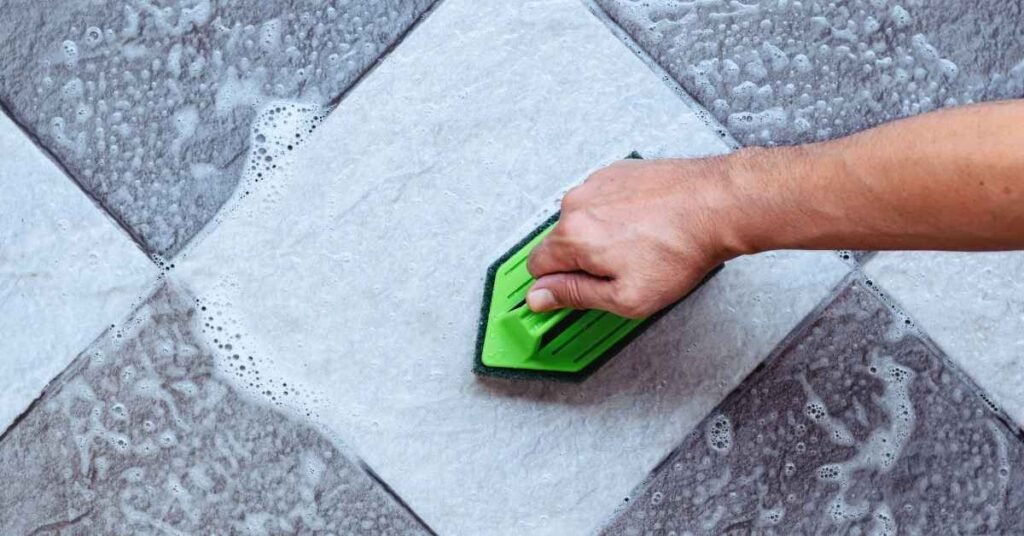
Preventive Measures To Keep The Garage Floor Safe From Oil Strains
- Immediate Cleanup: Quickly wipe up any oil spills as soon as they occur to prevent absorption into the concrete.
- Absorbent Materials: Keep porous materials, such as cat litter or sawdust, in the garage to promptly soak up oil spills.
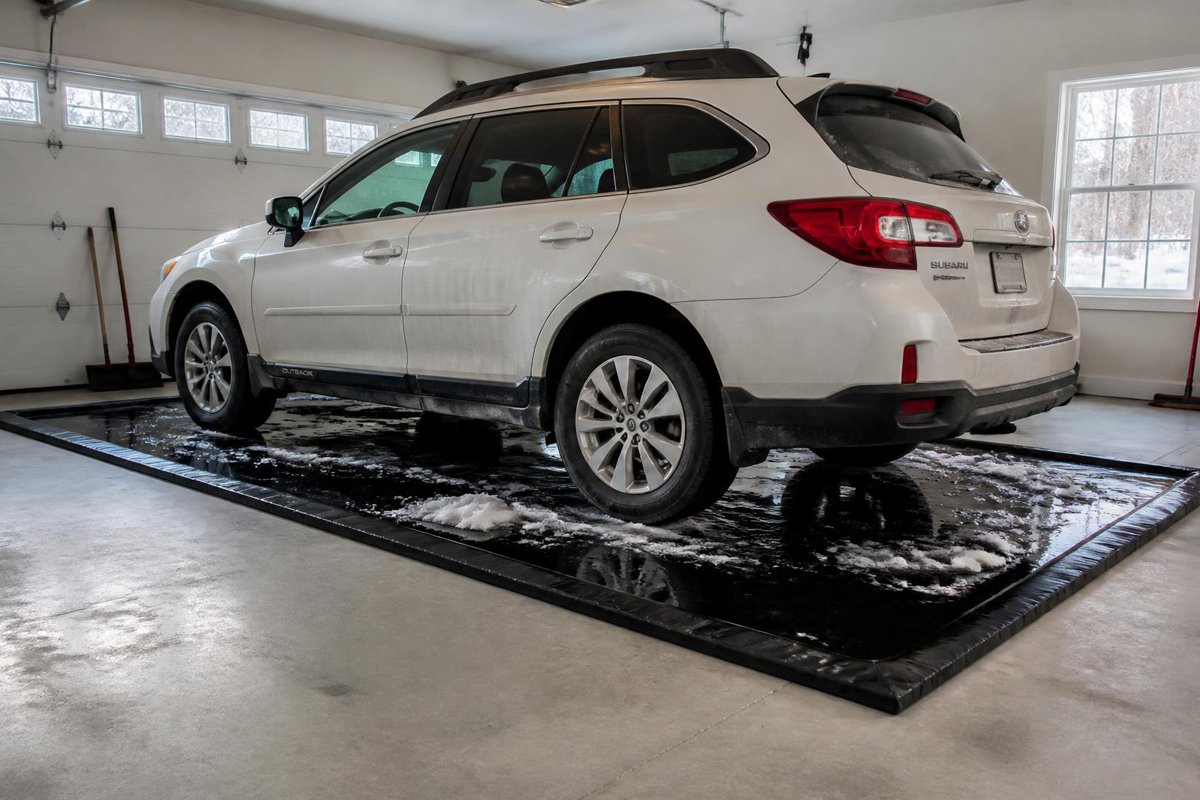
- Floor Mats or Pads: Place oil-resistant floor mats or pads in areas where potential spills may occur, especially under vehicles.
- Regular Inspection: Periodically inspect the garage floor for any signs of oil leaks from vehicles. Address any issues promptly.
- Seal the Floor: Apply a quality concrete sealer or epoxy coating to create a barrier that helps resist oil penetration.
- Use Drip Pans: Position drip pans or trays under vehicles or machinery to catch oil drips and prevent them from reaching the floor.
- Avoid Excessive Oil: Minimize the use of excessive oil or other lubricants when working on vehicles or machinery in the garage.
- Proper Storage: Store oil and other hazardous substances in designated containers with secure lids to prevent leaks.
- Regular Maintenance: Perform routine maintenance on vehicles to address any potential oil leaks before they become significant issues.
- Train Household Members: Ensure everyone in the household is aware of the importance of preventing oil spills and follows proper cleanup procedures.
By following these preventive steps, you can quickly reduce the risk of oil stains and damage to your garage floor.
Eco-Friendly Finish – Plant-Based Cleaners
Embrace eco-conscious cleaning practices. Dive into the world of plant-based cleaners that not only banish oil stains effectively but also contribute to a greener, more sustainable environment.
Sunlight Sorcery – The Power of Natural Light
Harness the magic of sunlight in your cleaning crusade. Discover how exposing oil-stained areas to direct sunlight accelerates the breakdown of oils, making it easier for subsequent cleaning steps to remove lingering residues. This eco-friendly approach not only aids in stain removal but also adds a touch of natural brilliance to your garage floor.
FAQ: How To Clean Oil Off The Garage Floor
Q1: How do I determine the type of oil causing stains on my garage floor?
Identifying the specific oil can be challenging, but consider the context. Motor oil may have a distinct appearance and odour, while cooking oil stains might correlate with kitchen proximity. Conducting a visual and olfactory assessment can provide clues.
Q2: Can I use dish soap alone to clean oil stains from my garage floor?
Dish soap is a great starting point, but for stubborn oil stains, consider enhancing its potency with additional ingredients like baking soda or vinegar. Experiment with DIY cleaning solutions to find the most effective combination for your specific stains.
Q3: Are pressure washers safe for all types of garage floors?
While pressure washers are effective, their intensity can damage certain garage floor materials. Adjust the pressure settings and maintain a safe distance to prevent surface harm. Consult your floor’s manufacturer guidelines for compatibility.
Q4: How can I tell if my garage floor needs to be resealed after cleaning?
Perform a simple water droplet test. If water beads up on the surface, the sealant is still effective. If it soaks into the concrete, it’s time for resealing. Additionally, monitor for a dull appearance or increased porosity.
Q5: Can I use sandpaper on all garage floor surfaces?
Sandpaper is suitable for smoothing rough spots on concrete floors but exercise caution. Avoid excessive abrasion, especially on delicate finishes. Test a small, inconspicuous area before widespread use.
Q6: Are DIY floor coatings as effective as professional applications?
DIY floor coatings can be effective, offering a cost-friendly option. However, professional applications often provide more durability and a smoother finish. Consider your budget, skills, and long-term expectations when choosing between DIY and professional coating.
Q7: How often should I etch my garage floor?
Etching is typically done before applying coatings. It’s not a frequent task; however, the need arises when recoating or if the floor has become excessively stained or worn. Follow manufacturer recommendations for your chosen coating product.
Q8: Are there any safety precautions when using diatomaceous earth for oil stain removal?
While diatomaceous earth is generally safe, wear a mask to avoid inhalation of fine particles. Additionally, be cautious about excessive use, as it may affect soil health when disposed of outdoors. Follow product instructions for proper handling.
Q9: Can I use any sealant on my garage floor?
The type of sealant depends on your garage floor material. Concrete sealants vary, so choose one compatible with your floor type, whether it’s epoxy, polyurethane, or acrylic. Consult with your floor’s manufacturer for recommended sealants.
Q10: Will tire maintenance really prevent oil stains on my garage floor?
Yes, proper tire maintenance significantly reduces the transfer of oils onto the garage floor. Regular tire cleaning and the use of tire mats create a protective barrier, preserving the cleanliness of your freshly cleaned floor.
Q11: How long does the average garage floor cleaning project take?
The duration varies based on factors like stain severity, chosen cleaning methods, and drying times for coatings. Expect anywhere from a few hours for basic cleaning to a couple of days for more extensive projects involving coatings.
Q12: Are there any specific cleaning considerations for decorative garage floors?
Decorative floors may have unique finishes or coatings. Consult with the installer or manufacturer to ensure that your chosen cleaning methods won’t compromise the integrity or appearance of the decorative elements.
These FAQs offer valuable insights to address common concerns during your garage floor cleaning journey. Always shorten your approach to the specific needs and characteristics of your garage floor for optimal results.
Final Word
As the last oil stain surrenders to your cleaning prowess, stand back and admire the rejuvenated splendor of your garage floor. So, How To Clean Oil Off The Garage Floor? This comprehensive guide has armed you with knowledge, tools, and strategies to combat oil stains effectively. Follow these techniques with confidence, and let your garage floor shine as a testament to your dedication and cleaning mastery.


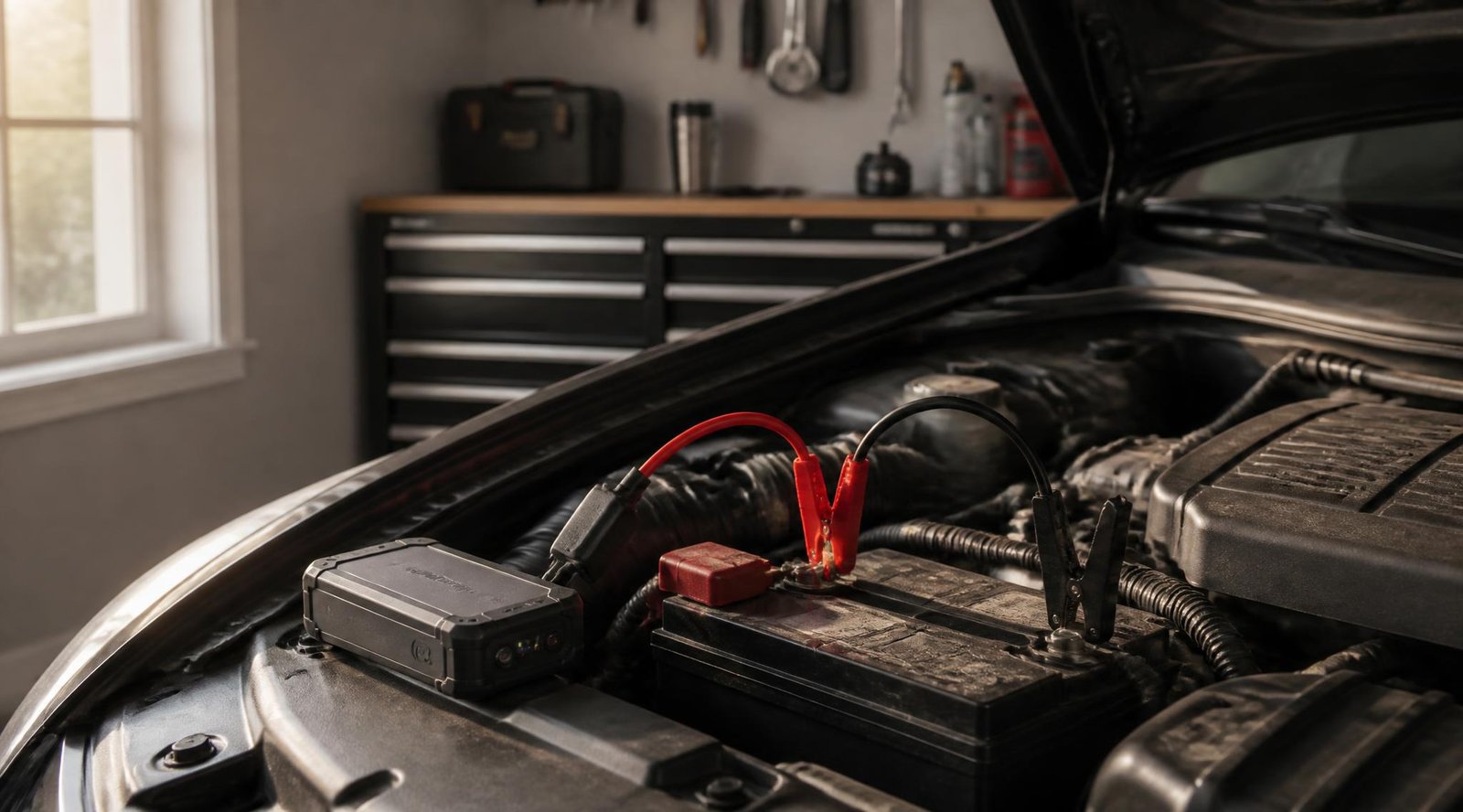

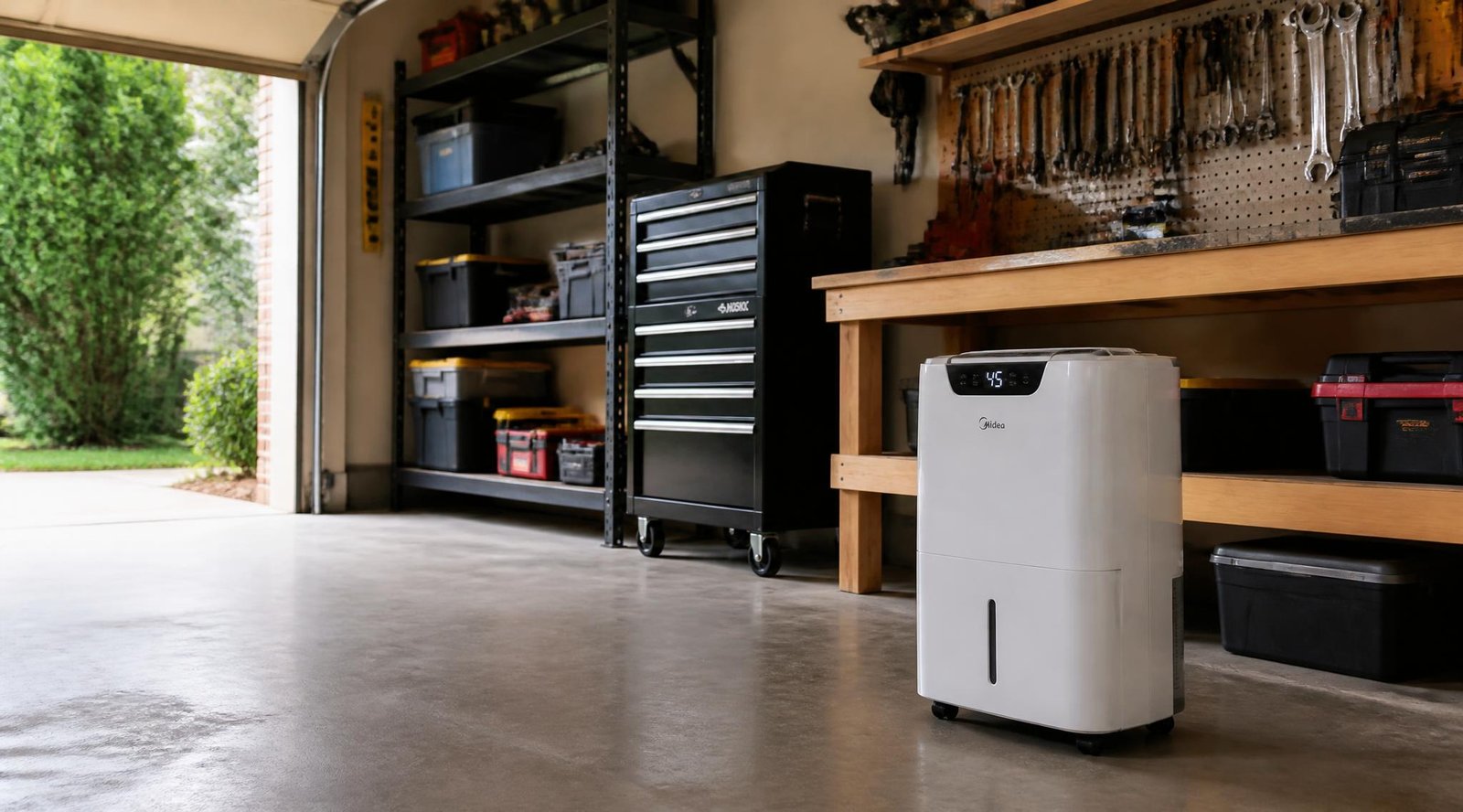
![A standard smoke detector is the wrong tool for a garage — dust, vehicle exhaust, and temperature swings trigger enough false alarms that most people eventually just disable the unit, which defeats the purpose entirely. A heat detector solves that by responding to actual temperature change instead of airborne particles. For related garage fire and safety context, see our carbon monoxide and garage safety guide. This roundup focuses specifically on which heat detector to buy. Quick answer: for most attached garages, a hardwired, interconnectable unit like the First Alert HD6135FB is the most reliable choice, since it ties into your home's existing smoke/CO alarm system rather than operating as an isolated device. If wiring isn't an option or you want app alerts when you're not home, a smart or wireless model further down this list covers that instead. We compared products on detection method (fixed temperature vs. rate-of-rise), operating temperature range, interconnection capability, installation type, and price — specifically for garage use, where dust, exhaust, and wide temperature swings rule out options that work fine in a bedroom or hallway. [IMAGE 1 — THUMBNAIL: heat detector mounted on garage ceiling with LED indicator visible — full professional photo brief in SEO package] Quick Comparison Product Best For Detection Type Approx. Price First Alert HD6135FB Best Overall 135°F fixed + rate-of-rise ~$25–$35 Kidde HD135F Best for Whole-Home Interconnection 135°F fixed only ~$25–$35 X-Sense XH02-M Best Smart/App-Connected Heat + app alerts (needs base station) ~$30–$40 + base station RiSol Commercial Heat Detector Best for Large or Extreme-Range Garages Dual fixed + rate-of-rise, –4°F to 135°F ~$50–$80 Honeywell 5809SS Best Wireless (No Hardwiring) Fixed + rate-of-rise, 345MHz wireless ~$40–$55 Note: prices are approximate and based on typical current listings — confirm exact specs and compatibility before you buy. 1. First Alert HD6135FB — Best Overall ⭐ Best Overall 135°F fixed temperature + rate-of-rise (15°F/min) | Hardwired 120VAC with 9V battery backup | 85dB horn | UL539 compliant | ~$25–$35 [IMAGE 2 — First Alert HD6135FB mounted on garage ceiling, white housing visible — full professional photo brief in SEO package] This is the most widely stocked and referenced heat detector for exactly this use case, and the dual-sensing approach is the reason why: it triggers either when the temperature hits a fixed 135°F or when it rises more than 15°F in a single minute, whichever comes first. That rate-of-rise sensing catches a fast-developing fire earlier than a fixed-temperature-only unit would, without the false-alarm sensitivity of a smoke detector. Why buy it • Dual detection (fixed + rate-of-rise) catches fast-developing fires earlier than fixed-only units • Microprocessor control specifically reduces nuisance alarms from dust and temperature swings • Interconnects with other First Alert/BRK hardwired alarms so a garage fire triggers alarms throughout the house Worth knowing • Requires hardwiring into a 120V circuit — not a simple battery-only install • Not rated for extreme cold below –20°F or heat above 115°F, which covers the vast majority of garages but is worth checking for extreme climates Verdict: the safest default pick if your garage is already wired or you're comfortable having an electrician add the circuit — the interconnection with the rest of your home's alarm system is the real value here. 2. Kidde HD135F — Best for Whole-Home Interconnection 🔗 Best for Interconnection 135°F fixed temperature only | Hardwired with 9V battery backup | Interconnects up to 24 Kidde devices | 2 status LEDs | ~$25–$35 [IMAGE 3 — Kidde HD135F heat detector on ceiling with visible LED status lights — full professional photo brief in SEO package] If your home already runs on Kidde smoke and CO alarms, this is the natural fit — it interconnects with up to 24 other Kidde AC-interconnect devices, meaning a garage fire trips every alarm in the house, not just the one nearest the fire. The trade-off against the First Alert pick above is that this unit is fixed-temperature only, without rate-of-rise sensing, which means it won't catch a fast-developing fire quite as early. Pair it with our carbon monoxide safety guide if you're building out a full Kidde-based alarm ecosystem across the house. Why buy it • Seamless interconnection if the rest of your home already runs Kidde alarms • Two LED indicators make status checking simple at a glance • UL 539 certified with a straightforward, well-documented hardwired install Worth knowing • Fixed temperature only — no rate-of-rise detection, so it triggers slightly later on a fast-developing fire • Only interconnects with other Kidde AC-interconnect devices, not mixed brands Verdict: the right choice specifically if you're standardizing on Kidde across the house — otherwise the First Alert's rate-of-rise sensing is the stronger technical pick. 3. X-Sense XH02-M — Best Smart/App-Connected 📱 Best Smart Option Heat sensing + WiFi app alerts | Requires SBS50 base station (sold separately) | Push notifications, battery status alerts | ~$30–$40 + base station [IMAGE 4 — X-Sense XH02-M heat detector with smartphone showing app alert notification — full professional photo brief in SEO package] This is the pick if you want to know about a problem while you're at work or on vacation, not just when you're standing in the garage. It connects to X-Sense's SBS50 base station over 2.4GHz WiFi and pushes alerts, battery status, and incident updates straight to your phone through the X-Sense Home Security app — genuinely useful for anyone who travels or has a detached garage/workshop they don't check daily. Why buy it • Remote push notifications mean you find out about a problem even when you're away from home • Battery status alerts prevent the detector from silently going dead without your knowledge • Straightforward app setup compared to a full hardwired interconnect system Worth knowing • Requires the separate SBS50 base station to function — factor that cost into the total price • Depends on home WiFi and the manufacturer's app/cloud service staying online to deliver remote alerts Verdict: worth the added cost and setup if remote monitoring genuinely matters to your situation — skip it if you're rarely away from the property for long stretches. 4. RiSol Commercial-Grade Heat Detector — Best for Large or Extreme-Range Garages 🌡️ Best for Extreme Ranges Dual fixed + rate-of-rise thermistor sensing | Operating range –4°F to 135°F | Covers up to 900 sq ft | 85dB alarm | ~$50–$80 [IMAGE 5 — RiSol commercial heat detector mounted in a large workshop-style garage — full professional photo brief in SEO package] Built with commercial and industrial spaces in mind, this steps up both the coverage area and the operating temperature range compared to standard residential units — rated down to –4°F, which matters for an uninsulated garage in a genuinely cold climate. The wider 900 sq ft coverage also means a large two-car garage or combined garage/workshop can often get by with fewer total units than standard residential detectors would require. Why buy it • Wide operating range handles genuinely extreme cold better than standard residential units • Larger 900 sq ft coverage area reduces the total number of units needed for a big space • Dual-sensor design matches the fixed + rate-of-rise approach of the best residential picks Worth knowing • Costs more than standard residential heat detectors, reflecting the commercial-grade build • Overkill for a small single-car garage — sized for larger spaces specifically Verdict: the right pick for a large garage, detached workshop, or genuinely harsh climate where standard residential units are pushed past their comfortable operating range. 5. Honeywell 5809SS — Best Wireless (No Hardwiring) 📡 Best Wireless Fixed + rate-of-rise detection | 345MHz wireless | Requires a compatible security panel/receiver | ~$40–$55 [IMAGE 6 — Honeywell 5809SS wireless heat detector mounted with no visible wiring — full professional photo brief in SEO package] For a garage that isn't wired and where running new electrical isn't practical, this is a genuine wireless alternative — it communicates over 345MHz radio to a compatible security system receiver rather than needing a hardwired connection. The catch is real and worth stating plainly: this only works if you already have, or are willing to add, a compatible security panel. It's not a fully standalone battery unit that works on its own out of the box. Why buy it • No electrical work required — genuinely useful for an unwired detached garage or workshop • Same fixed + rate-of-rise dual detection as the best hardwired picks on this list • Integrates with an existing home security system if you already have compatible Honeywell/Resideo equipment Worth knowing • Requires a compatible 345MHz security panel or receiver — it will not function as a true standalone device • Adds an ongoing dependency on your security system staying powered and functional Verdict: the right pick only if you already have, or plan to add, a compatible security system — otherwise the hardwiring cost for a First Alert or Kidde unit is usually simpler. Which Heat Detector Fits Your Garage? • Standard attached garage, already wired: the First Alert HD6135FB is the safest, most tested default. • Home already runs Kidde smoke/CO alarms: the Kidde HD135F keeps the whole system on one interconnected brand. • You travel often or have a detached workshop you don't check daily: the X-Sense XH02-M's app alerts are worth the extra setup. • Large two-car garage, workshop, or genuinely cold climate: the RiSol commercial unit's wider range and coverage area earn the higher price. • Garage isn't wired and running new electrical isn't practical: the Honeywell 5809SS is the realistic wireless option, provided you have or plan to add a compatible security panel. If you're installing a detector alongside other garage upgrades — an EV charger, new overhead storage, or a full workshop build-out — it's worth planning detector placement at the same time rather than as an afterthought once everything else is installed. A Quick Reality Check on “Battery-Only” Heat Detectors If you've searched for a simple, standalone battery-powered heat detector with no wiring and no base station required, you've likely noticed there aren't many well-established options from major brands — that's not an oversight on this list, it reflects the actual market. Most “battery operated” heat detectors marketed online are either wireless units requiring a compatible security panel (like the Honeywell above) or generic, unbranded products without established testing history. If a fully standalone, no-ecosystem battery unit is a hard requirement, expect to do extra due diligence on UL listing and brand reputation before buying, since this is a thinner and less-regulated part of the market than hardwired or panel-based options. Common Mistakes When Buying a Garage Heat Detector Installing a smoke detector instead This is the single most common mistake, and the reason this guide exists — a standard smoke detector in a garage will false-alarm from dust and exhaust often enough that most people eventually disconnect it, leaving the garage with no working fire detection at all. Assuming any heat detector interconnects with any brand Interconnection is almost always brand-specific — a Kidde heat detector won't trip a First Alert smoke alarm elsewhere in the house, and vice versa. If whole-home interconnection matters to you, match the brand to what's already installed. Skipping the operating temperature range Standard residential units are typically rated for roughly –20°F to 115°F. An uninsulated garage in a genuinely extreme climate can exceed that range, which is exactly the gap a wider-range commercial unit like the RiSol pick is built to cover. Forgetting it's not a substitute for a CO detector A heat detector responds to fire risk, not carbon monoxide. Both belong in or near a garage, but they're solving different problems — see our carbon monoxide safety guide for the CO side of garage safety. Fast Buying Guide Fixed temperature vs. rate-of-rise Fixed-temperature detectors trigger at a set threshold, typically 135°F. Rate-of-rise detectors trigger when temperature climbs quickly, regardless of the absolute number, which catches a fast-developing fire earlier. Dual-sensor units combine both and are the stronger choice whenever the price difference is small. Where to mount it Ceiling-mounted, centered in the garage or near the highest-risk area (workbench, electrical panel), away from HVAC vents and garage door tracks that could cause airflow interference. If your garage doubles as a workshop, position it to cover the hot-work or highest-risk station specifically rather than just the geometric center of the room. Interconnected vs. standalone An interconnected unit (hardwired or app-based) alerts the rest of the house when the garage detector trips, buying more time to react. A standalone unit only sounds locally in the garage, which is a real limitation if no one is nearby to hear it. Interconnection is worth the small added cost or setup effort for most attached garages. How many detectors does a garage need A single-car garage under about 500 sq ft typically needs just one unit, centered on the ceiling. A two-car garage or workshop over that size may need two, especially if there's a distinct high-risk zone like a hot-work station on one side of the room. Frequently Asked Questions Why not just use a smoke detector in the garage? Dust, vehicle exhaust, and temperature swings cause frequent false alarms in a standard smoke detector, which tends to end with the unit being disabled entirely — the opposite of what you want. A heat detector responds to actual temperature change instead, avoiding that false-alarm problem. Do I need a hardwired or battery-powered heat detector? Hardwired units are generally more reliable for a garage that already has wiring nearby, and interconnect with the rest of the home's alarm system. If wiring isn't practical, a wireless option paired with a compatible security panel is the realistic alternative — true standalone battery-only heat detectors from major brands are uncommon. What temperature should a garage heat detector trigger at? 135°F is the standard fixed-temperature threshold used by most residential heat detectors, paired with rate-of-rise sensing (commonly 15°F per minute) on better units to catch fast-developing fires earlier. Can a heat detector replace a smoke detector everywhere in my house? No — heat detectors are specifically recommended for spaces where smoke detectors perform poorly, like garages, attics, and crawl spaces. Living areas and bedrooms should still use smoke detectors, which respond faster to smoldering fires that a heat detector wouldn't catch until much later. How often should I test or replace a garage heat detector? Test monthly using the built-in test button, and replace the unit every 10 years regardless of apparent condition, consistent with standard smoke/heat alarm replacement guidance — sensors degrade with age even when a unit still appears to power on correctly. The Bottom Line If you buy just one thing from this list, make it a hardwired dual-sensor unit like the First Alert HD6135FB — it solves the actual problem (a garage with no reliable fire detection) for most households without complicated setup. Go wireless only if hardwiring genuinely isn't an option, and step up to a commercial-grade unit only if your garage is unusually large or exposed to genuinely extreme temperatures. Last Updated: July 2026](https://garagedaily.com/wp-content/uploads/2026/08/Best-Heat-Detectors-for-the-Garage-Top-5-Picks-Buying-Guide-1.jpg)