Introduction
Most car owners assume that a vehicle has a natural “lifespan” of around 100,000 to 150,000 miles. However, in reality, a well-maintained car can easily reach 250,000 to 300,000 miles—or even more—without major failures.
In 2026, with improved engineering, better lubricants, advanced diagnostics, and high-quality parts, long vehicle life is more achievable than ever before. The real difference is not the car itself, but how it is maintained over time.
Cars that last 300,000 miles are not lucky—they are properly cared for.
Whether you drive a Toyota, Honda, Ford, Chevrolet, BMW, or any other brand, the principles of long-term car maintenance remain the same. Consistency, preventive care, and timely repairs are the keys to longevity.
This guide will explain everything you need to know to make your car last 300,000 miles, including maintenance schedules, driving habits, repair strategies, and expert-level tips used by professional mechanics.
Why Most Cars Don’t Reach 300,000 Miles
Before learning how to extend your car’s life, it is important to understand why most vehicles fail early.
1. Poor Maintenance Habits
The biggest reason cars break down early is neglect.
Common mistakes include:
- Skipping oil changes
- Ignoring warning lights
- Delaying brake service
- Not replacing filters
- Overlooking fluid leaks
Small issues turn into expensive repairs when ignored.
2. Aggressive Driving Behavior
Driving style has a huge impact on engine health.
Bad habits include:
- Hard acceleration
- Sudden braking
- High RPM driving
- Ignoring warm-up time
These habits increase wear and tear significantly.
3. Delayed Repairs
Many drivers postpone small repairs to save money.
However:
- Small problems grow quickly
- Engine damage becomes irreversible
- Repair costs increase drastically
4. Lack of Preventive Maintenance
Most drivers only fix problems after they appear.
But long-lasting cars rely on prevention, not reaction.
The Mindset of a 300,000-Mile Car Owner
To achieve long vehicle life, you must shift your mindset.
Instead of thinking:
“I’ll fix it when it breaks”
Think:
“I will prevent it from breaking”
This mindset separates short-life cars from long-life vehicles.
Professional mechanics and fleet owners always focus on prevention.
Engine Oil: The Lifeline of Your Car
Engine oil is the most important factor in car longevity.
Why Oil Matters
Engine oil:
- Reduces friction
- Prevents overheating
- Cleans internal components
- Protects engine parts
Without proper oil maintenance, engines fail quickly.
Oil Change Schedule
For long engine life:
- Conventional oil: every 3,000–5,000 miles
- Synthetic oil: every 5,000–8,000 miles
In harsh conditions (hot weather, traffic congestion):
- Change more frequently
Expert Tip
Never delay oil changes. Even a 1,000-mile delay over time can reduce engine lifespan significantly.
Transmission Care (Often Ignored)
Transmission failure is one of the most expensive repairs in a car.
Types of Transmission Fluids:
- Automatic Transmission Fluid (ATF)
- Manual Transmission Oil
- CVT Fluid
Maintenance Schedule
- Replace transmission fluid every 30,000–60,000 miles
- Inspect for leaks regularly
Warning Signs
- Delayed shifting
- Jerking motion
- Burning smell
- Strange noises
Cooling System: Prevent Engine Overheating
Overheating is one of the fastest ways to destroy an engine.
Key Components:
- Radiator
- Coolant
- Water pump
- Thermostat
Maintenance Tips
- Flush coolant every 40,000–60,000 miles
- Check coolant level monthly
- Inspect hoses for cracks
Expert Insight
Even one overheating event can permanently damage engine components.
Brake System Maintenance
Brakes are critical for safety and vehicle longevity.
Components:
- Brake pads
- Rotors
- Brake fluid
- Calipers
Maintenance Schedule
- Brake pads: every 30,000–70,000 miles
- Brake fluid: every 2–3 years
Warning Signs
- Squeaking sound
- Vibration while braking
- Soft brake pedal
Tire Maintenance for Long Vehicle Life
Tires affect fuel efficiency, safety, and suspension health.
Best Practices:
- Rotate tires every 5,000–7,000 miles
- Maintain proper air pressure
- Align wheels annually
Why It Matters
Poor tire maintenance leads to:
- Uneven wear
- Suspension stress
- Reduced fuel efficiency
Battery Care and Electrical System
Modern cars rely heavily on electronics.
Battery Tips:
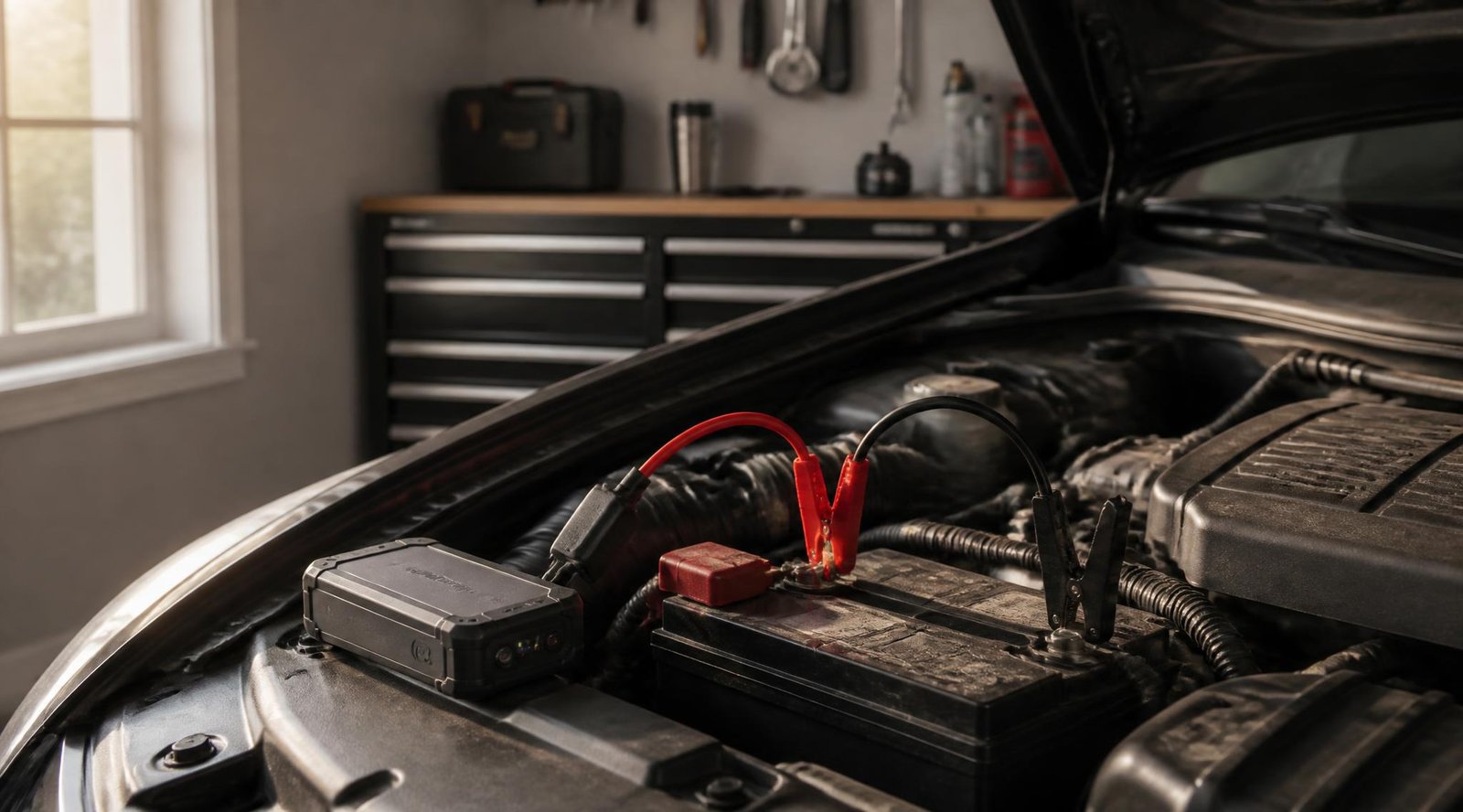
- Replace every 3–5 years
- Clean terminals regularly
- Avoid leaving lights on
Electrical System Checks:
- Alternator health
- Wiring inspection
- Fuse system condition
Suspension System Longevity
Suspension ensures comfort and stability.
Key Parts:
- Shock absorbers
- Struts
- Control arms
- Bushings
Maintenance Tips:
- Avoid potholes when possible
- Inspect suspension annually
- Replace worn parts early
Fuel System Maintenance
A clean fuel system improves performance and efficiency.
Components:
- Fuel injectors
- Fuel pump
- Fuel filter
Maintenance Schedule:
- Replace fuel filter every 20,000–40,000 miles
- Clean injectors periodically
Air Filters and Cabin Filters
Air filters protect engine and passenger health.
Engine Air Filter:
- Replace every 12,000–15,000 miles
Cabin Air Filter:
- Replace every 15,000–25,000 miles
Driving Habits That Extend Car Life
1. Smooth Acceleration
Avoid sudden acceleration. Increase speed gradually.
2. Gentle Braking
Hard braking increases wear on brake system.
3. Warm Up the Engine
Allow engine to warm up before heavy driving.
4. Avoid Overloading
Excess weight stresses engine and suspension.
5. Drive Consistently
Stop-and-go driving increases wear.
Preventive Maintenance Strategy
A 300,000-mile car is built on prevention.
Monthly Checks:
- Oil level
- Tire pressure
- Fluid levels
- Lights
Yearly Checks:
- Suspension inspection
- Brake system check
- Cooling system flush
Importance of Using Quality Parts
Cheap parts reduce car lifespan.
Always choose:
- OEM parts
- High-quality synthetic oils
- Trusted service centers
Role of Regular Servicing
Professional servicing ensures:
- Early detection of issues
- Proper diagnostics
- Long-term reliability
Common Mistakes That Reduce Car Lifespan
- Ignoring dashboard warnings
- Using low-quality oil
- Delaying repairs
- Skipping maintenance schedule
- Aggressive driving
Expert-Level Tips for 300,000 Miles
- Keep detailed service records
- Use synthetic oil consistently
- Replace fluids before failure
- Maintain clean engine bay
- Drive gently in cold starts
Realistic Expectation
Not every car will reach 300,000 miles, but most well-maintained modern cars can.
Success depends on:
- Maintenance discipline
- Driving behavior
- Repair timing
Final Thoughts
Reaching 300,000 miles is not luck—it is strategy.
Cars that last long are:
- Maintained regularly
- Driven responsibly
- Repaired early
- Protected from neglect
By following proper maintenance practices, you can significantly extend your vehicle’s life and save thousands of dollars in repair costs.
In 2026, vehicle longevity is more achievable than ever before with modern engineering and proper care.
A well-maintained car is not just transportation—it is a long-term investment.
FAQ
Can every car reach 300,000 miles?
Not every car, but many modern vehicles can if properly maintained.
What is the most important maintenance task?
Regular engine oil changes are the most critical.
Does driving style affect car lifespan?
Yes, aggressive driving reduces engine and brake life significantly.
Is synthetic oil better for long-term use?
Yes, synthetic oil provides better protection and longevity.
How often should I service my car?
At least every 5,000–7,500 miles depending on usage and oil type.