Introduction
Owning a car in 2026 is more convenient than ever, but it also comes with increasing responsibility. Modern vehicles are more advanced, filled with sensors, electronics, and precision-engineered components that require proper care to function efficiently.
Many drivers assume that cars only need servicing when something goes wrong. In reality, waiting for problems is the fastest way to increase repair costs and shorten vehicle lifespan.
A structured maintenance checklist helps prevent breakdowns, improve safety, increase fuel efficiency, and extend the overall life of the vehicle.
Whether you drive daily in city traffic or use your car for long highway trips, a consistent maintenance routine ensures your vehicle stays reliable, safe, and cost-effective.
This complete guide provides a professional-grade car maintenance checklist that every driver should follow in 2026 to keep their vehicle in top condition.
Why a Maintenance Checklist Is Important
A car is made up of thousands of moving parts working together. Even a small issue in one system can affect the entire vehicle.
A proper checklist helps you:
- Prevent unexpected breakdowns
- Reduce repair costs
- Improve fuel efficiency
- Enhance driving safety
- Maintain resale value
- Extend vehicle lifespan
Most major car problems begin as small, preventable issues. A checklist ensures nothing is missed.
Daily Car Maintenance Checklist
Daily checks take less than 2 minutes but can prevent major issues.
1. Check Warning Lights
Before driving, ensure no warning lights are active on the dashboard.
Common warning lights:
- Engine check light
- Oil pressure light
- Battery warning
- Brake warning
If any light appears, do not ignore it.
2. Inspect Tires Visually
Look for:
- Low air pressure
- Cuts or cracks
- Uneven wear
- Foreign objects
Proper tire condition ensures safety and stability.
3. Check for Fluid Leaks
Look under the car for:
- Oil leaks
- Coolant leaks
- Brake fluid leaks
Early detection prevents expensive repairs.
4. Test Lights and Indicators
Ensure:
- Headlights work
- Brake lights function
- Turn signals operate properly
Visibility is critical for road safety.
Weekly Car Maintenance Checklist
Weekly maintenance ensures your car remains in good running condition.
1. Tire Pressure Check
Maintain recommended pressure levels.
Under-inflated tires:
- Reduce fuel efficiency
- Increase tire wear
- Affect handling
2. Clean Exterior and Interior
Cleaning helps:
- Prevent rust buildup
- Maintain paint condition
- Improve comfort
3. Check Windshield Wipers
Ensure wipers:
- Clean properly
- Do not leave streaks
- Are not cracked
4. Inspect Engine Sounds
Listen for:
- Knocking
- Clicking
- Unusual vibrations
Early detection helps prevent engine damage.
Monthly Car Maintenance Checklist
Monthly checks focus on deeper inspection.
1. Engine Oil Level
Check oil using dipstick:
- Low oil = engine damage risk
- Dirty oil = performance issues
2. Coolant Level
Ensure coolant is at proper level.
Low coolant can cause overheating.
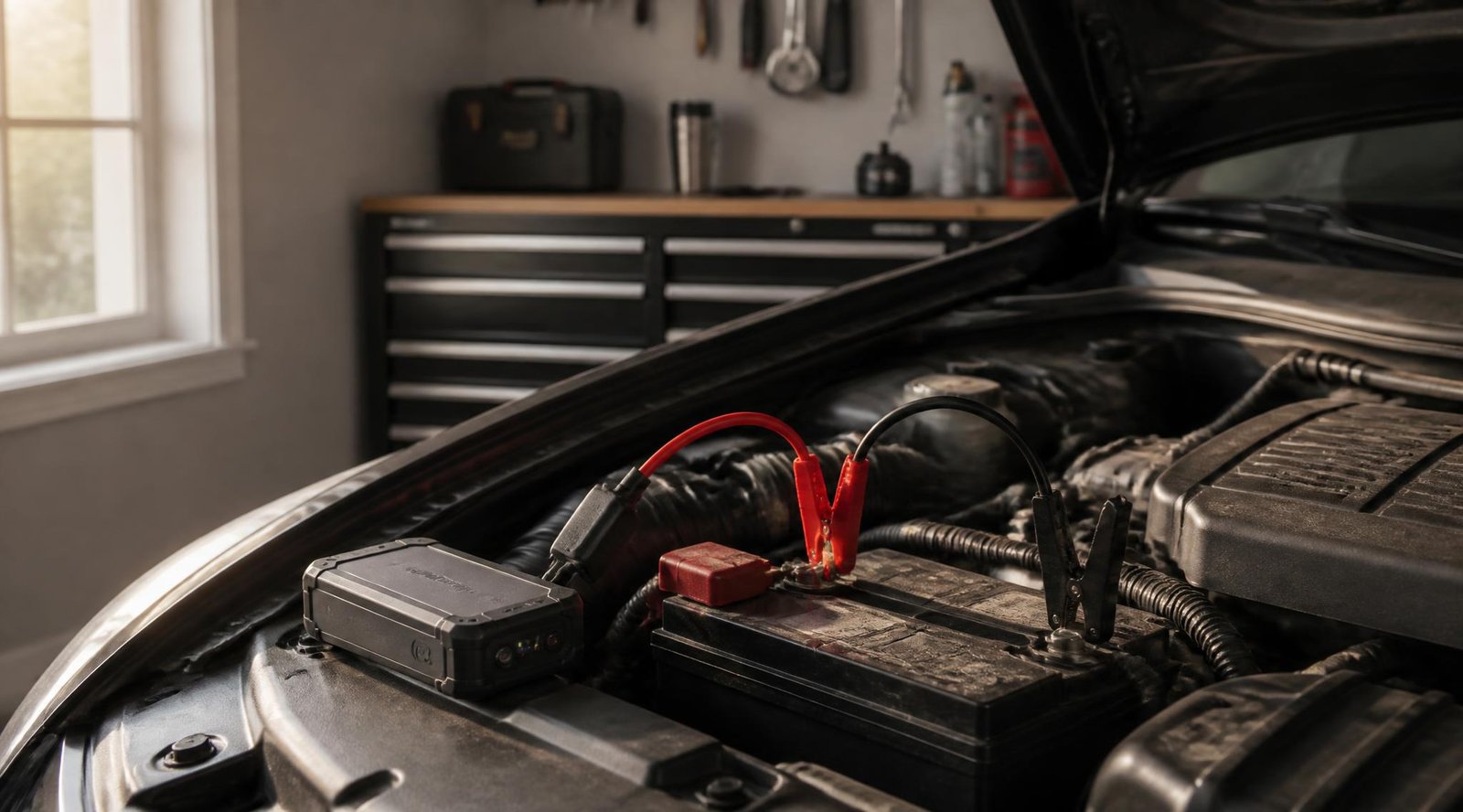
3. Battery Condition
Check:
- Battery terminals for corrosion
- Starting performance
- Voltage stability
4. Brake Performance
Test braking:
- Responsiveness
- Noise
- Pedal feel
5. Air Filter Condition
Dirty air filters reduce:
- Engine performance
- Fuel efficiency
Quarterly Maintenance Checklist (Every 3 Months)
1. Engine Oil Change (if needed)
Follow manufacturer recommendations.
Synthetic oil usually lasts longer than conventional oil.
2. Fluid Top-Up and Inspection
Check and refill:
- Brake fluid
- Transmission fluid
- Power steering fluid
- Coolant
3. Tire Rotation
Rotate tires every 5,000–7,000 miles.
This ensures even wear and longer tire life.
4. Suspension Check
Inspect:
- Shock absorbers
- Struts
- Bushings
Semi-Annual Maintenance Checklist (Every 6 Months)
1. Wheel Alignment and Balancing
Proper alignment improves:
- Handling
- Tire life
- Fuel efficiency
2. Brake System Inspection
Check:
- Brake pads
- Rotors
- Brake fluid condition
3. Battery Load Test
Ensures battery can hold charge properly.
4. Exhaust System Check
Look for:
- Rust
- Leaks
- Noise changes
Annual Maintenance Checklist
1. Full Engine Inspection
A professional inspection ensures:
- No hidden issues
- Proper performance
- Long-term reliability
2. Transmission Service
Replace or inspect transmission fluid depending on mileage.
3. Cooling System Flush
Prevents overheating and corrosion inside the system.
4. Replace Filters
- Engine air filter
- Cabin air filter
- Fuel filter (if applicable)
5. Spark Plug Replacement
Worn spark plugs affect:
- Fuel efficiency
- Engine performance
- Starting ability
Essential Fluids to Monitor
Engine Oil
Lubricates engine parts and prevents friction damage.
Coolant
Prevents engine overheating.
Brake Fluid
Ensures proper braking performance.
Transmission Fluid
Helps smooth gear shifting.
Power Steering Fluid
Supports steering control (if applicable).
Warning Signs You Should Never Ignore
- Engine overheating
- Burning smell
- Strange vibrations
- Reduced fuel efficiency
- Hard steering
- Delayed braking response
Ignoring these signs leads to expensive repairs.
Driving Habits That Reduce Maintenance Costs
1. Smooth Driving
Avoid sudden acceleration and braking.
2. Avoid Overloading
Excess weight stresses engine and suspension.
3. Warm Up Engine
Allow engine to stabilize before driving hard.
4. Drive Consistently
Avoid aggressive stop-and-go driving when possible.
Common Maintenance Mistakes
- Skipping oil changes
- Ignoring warning lights
- Using low-quality fluids
- Delaying brake service
- Neglecting tire pressure
These mistakes shorten vehicle lifespan significantly.
Importance of Preventive Maintenance
Preventive maintenance is always cheaper than repair work.
Benefits include:
- Fewer breakdowns
- Lower repair costs
- Better performance
- Longer vehicle life
Role of Professional Servicing
Even with regular self-checks, professional servicing is essential.
Experts can:
- Detect hidden problems
- Perform diagnostics
- Ensure safety compliance
Final Thoughts
A structured car maintenance checklist is essential for every driver in 2026. Modern vehicles are highly advanced, and even small maintenance mistakes can lead to major issues.
By following daily, weekly, monthly, and yearly maintenance routines, you can:
- Extend vehicle lifespan
- Improve safety
- Save money on repairs
- Maintain performance
- Increase resale value
Consistency is the key to long-term vehicle health.
A well-maintained car is always more reliable, efficient, and cost-effective.
FAQ
How often should I follow a car maintenance checklist?
Daily, weekly, monthly, and yearly checks are recommended.
What is the most important maintenance task?
Engine oil checks and changes are the most critical.
Can I skip minor maintenance tasks?
Skipping small tasks often leads to major repairs later.
How do I know my car needs servicing?
Warning lights, unusual sounds, and performance drops are key signs.
Is professional servicing necessary?
Yes, it ensures safety and long-term reliability.
Website Reference