Your garage door is the largest moving object in your entire home — and yet it’s usually the most neglected. Most homeowners only think about it when it squeaks, jams, or refuses to open on a Monday morning. The good news? A consistent garage door maintenance checklist can prevent almost every one of those headaches before they start.
At GarageDaily.com, we’ve helped thousands of homeowners understand exactly how to keep their garage functional, safe, and long-lasting. In this comprehensive guide, we’ll walk you through a complete, easy-to-follow garage door maintenance checklist — covering everything from monthly visual inspections to seasonal deep maintenance, plus links to detailed guides for specific repairs whenever you run into trouble.
Whether you’re a first-time homeowner or a seasoned DIYer, this guide will become your go-to reference for garage door care.
Why a Garage Door Maintenance Checklist Matters
A garage door is a complex system of moving parts working together — springs, cables, rollers, tracks, hinges, sensors, and a motorized opener. When even one part fails, the entire system can stop working, or worse, become a safety hazard.
Here’s why following a regular garage door maintenance checklist is so important:
- Safety first: A garage door can weigh anywhere from 130 to 400 pounds. A worn-out spring or cable failing mid-operation can cause serious injury or property damage.
- Cost savings: Preventive maintenance is dramatically cheaper than emergency repairs. Catching a small issue early can save you hundreds of dollars.
- Longer lifespan: A well-maintained garage door and opener can last 15–30 years, while a neglected one may fail in half that time.
- Energy efficiency: A properly sealed and balanced garage door keeps your garage insulated, which matters even more if your garage is attached to your home.
- Convenience: Nobody wants to be stuck outside in the rain because the opener battery died or the door jammed.
According to the International Door Association, routine inspection is one of the most overlooked yet most effective ways homeowners can extend the life of their garage door system and avoid unexpected failures.
The Complete Monthly Garage Door Maintenance Checklist
Set a recurring reminder once a month to run through this quick checklist. It takes less than 15 minutes but can prevent major issues down the road.
1. Visual Inspection of the Door and Tracks
Walk around your garage door and look for:
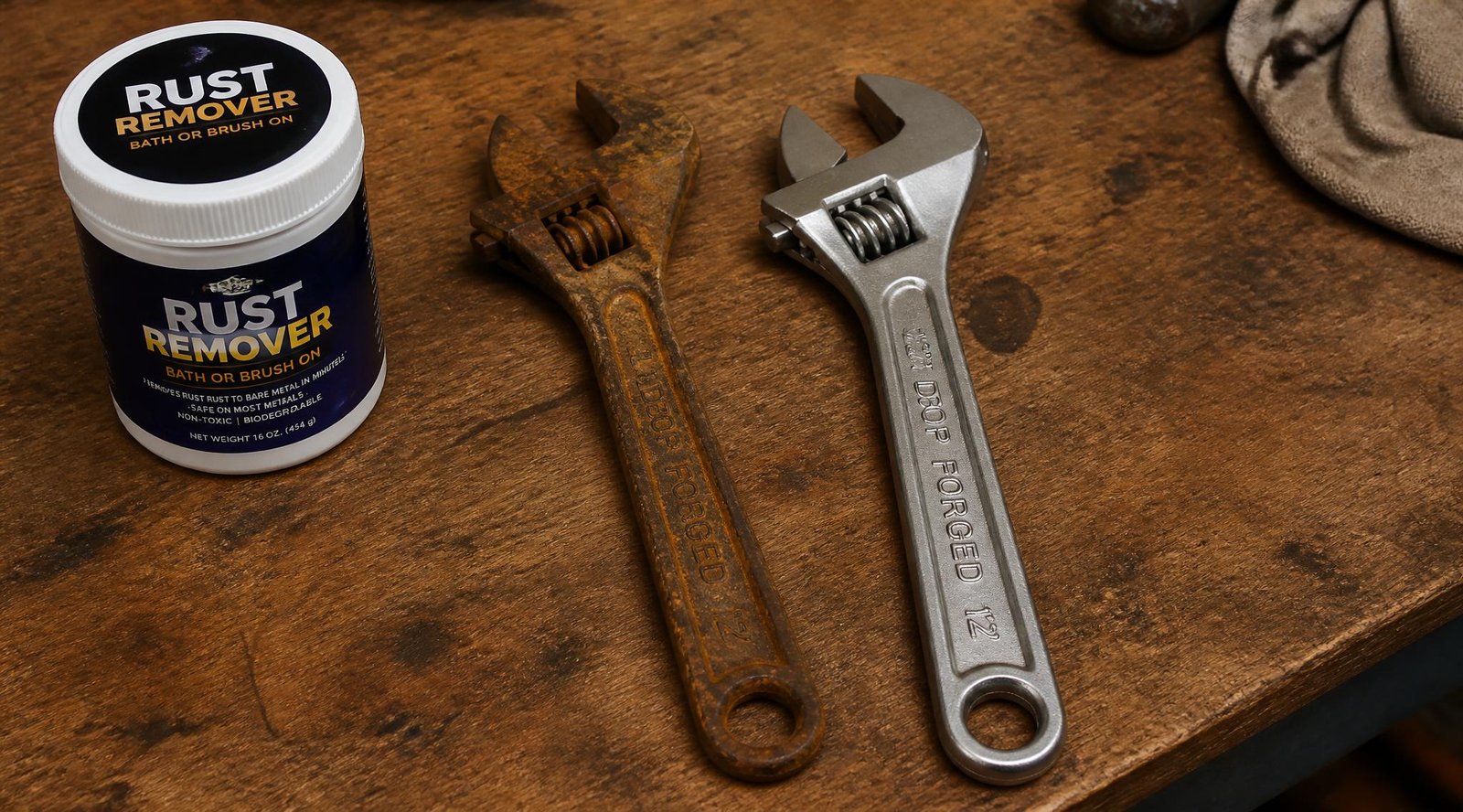
- Dents, rust, or warping on door panels
- Misaligned or bent tracks
- Gaps between the rollers and the tracks
- Loose or missing hardware (bolts, brackets, hinges)
If you notice your door isn’t sitting flush or there’s an uneven space along one edge, this is often an early symptom that needs attention — we cover this exact issue in detail in our guide on how to fix a gap on one side of a garage door.
2. Test the Balance of the Door
An unbalanced garage door puts unnecessary strain on the opener and springs. Here’s how to test it:
- Disconnect the automatic opener (pull the emergency release cord).
- Manually lift the door halfway.
- Let go — a properly balanced door should stay in place. If it falls or rises on its own, the spring tension needs adjusting.
This is directly connected to spring health. If your springs are old or worn, they may need replacement — and costs vary significantly depending on spring type and labor. Our detailed breakdown on garage door repair cost for a broken spring explains exactly what to expect financially.
3. Lubricate Moving Parts
Moving components like rollers, hinges, springs, and tracks need lubrication every 1–3 months to reduce friction and prevent premature wear:
- Use a silicone-based or lithium-based garage door lubricant (avoid WD-40 for long-term lubrication — it’s a degreaser, not a lubricant).
- Apply lightly to hinges, rollers, and the torsion spring.
- Wipe off excess to avoid dust and debris buildup.
4. Test the Auto-Reverse Safety Feature
This is one of the most important safety checks and is often skipped:
- Place a wooden block or roll of paper towels on the ground in the door’s path.
- Close the door using the opener.
- The door should reverse immediately upon contact with the object.
If it doesn’t reverse, stop using the opener immediately and have it inspected professionally — this is a serious safety issue.
5. Check the Photo-Eye Sensors
Garage door openers use infrared sensors near the bottom of the tracks to detect obstructions. Dust, misalignment, or spider webs can block them.
- Wipe both sensor lenses with a soft, dry cloth.
- Make sure both sensors are pointing directly at each other (a light on each sensor usually indicates proper alignment).
Speaking of pests near sensors — garages are a magnet for spiders, especially around door tracks and corners. If you’re dealing with this issue, check out our full guide on how to keep spiders out of the garage for long-term prevention strategies.
Quarterly Garage Door Maintenance Checklist
Every three months, go a bit deeper than the monthly visual check.
6. Inspect and Replace Weatherstripping and Bottom Seal
The bottom seal (also called the astragal) keeps out water, pests, and drafts. Over time, rubber and vinyl seals dry out, crack, or peel away from the door.
Signs you need a replacement:
- Visible cracks or gaps in the seal
- Daylight visible under the closed door
- Water pooling inside the garage after rain
We’ve written a complete step-by-step walkthrough on how to replace a garage door bottom seal, including how to choose between rubber, vinyl, and bulb-style seals.
7. Tighten All Hardware
Vibrations from daily use loosen bolts, brackets, and roller brackets over time. Using a socket wrench, go around and tighten:
- Track brackets
- Hinges
- Roller brackets
Never over-tighten, as this can warp the track alignment.
8. Check the Cables
Inspect the lift cables (attached near the bottom brackets) for fraying, rust, or visible wear. These cables are under high tension and should never be adjusted or replaced by an untrained homeowner — this is a job for a professional technician.
Bi-Annual (Twice a Year) Maintenance Checklist
Twice a year — ideally at the start of spring and fall — do a more thorough system check.
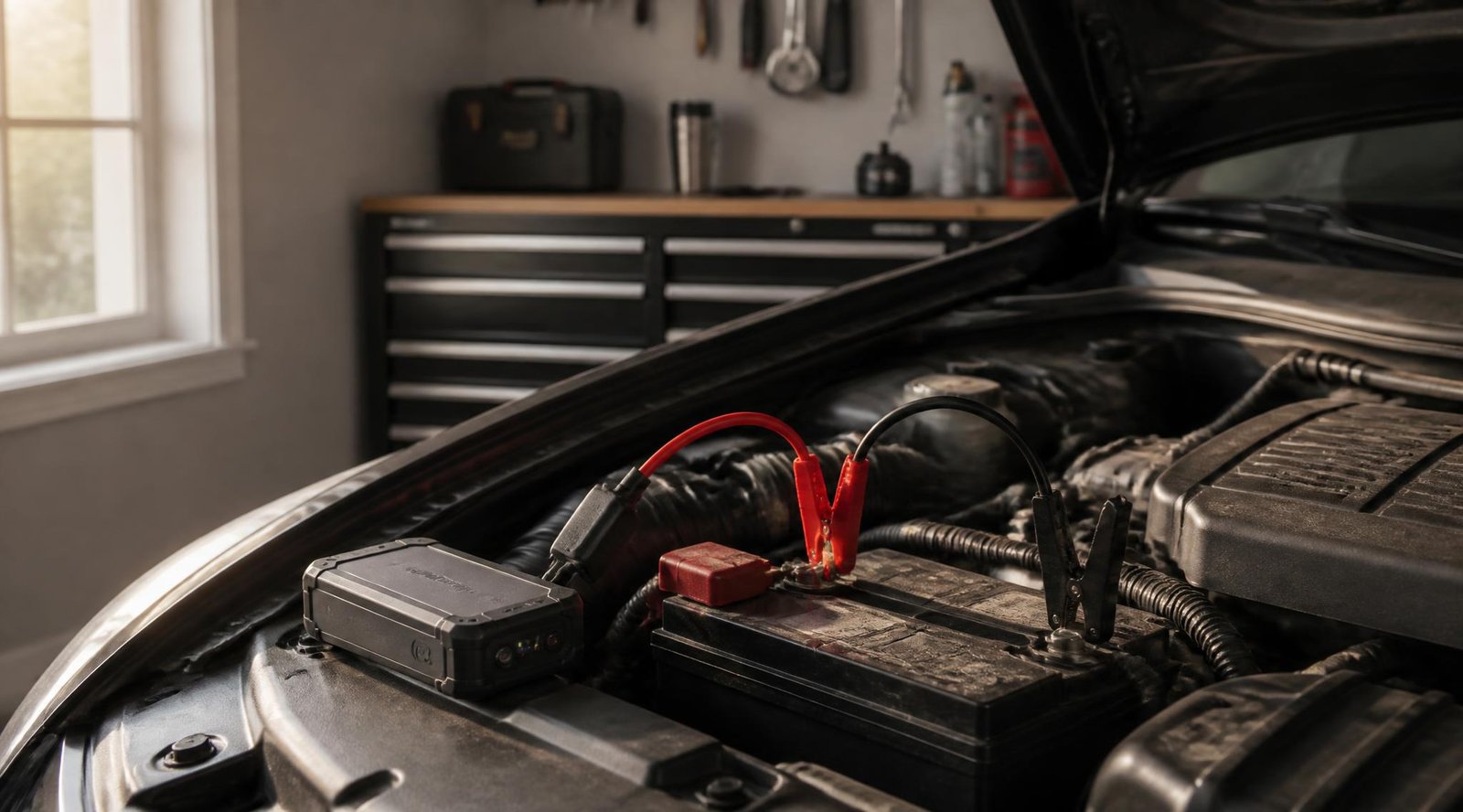
9. Garage Door Opener Battery and Backup Check
If your opener has a battery backup system (common in many modern models like Chamberlain and LiftMaster), test it regularly to make sure it will work during a power outage.
For step-by-step instructions specific to popular brands, see our guides on how to change the battery in a LiftMaster garage door opener and how to program a Chamberlain garage door opener.
10. Reprogram or Update Remote Access Codes
If you’ve recently changed vehicles, given house access to a new tenant, or simply want better security, this is a good time to review your remote programming. If you use a single remote for multiple doors, our guide on how to program a multi-code garage door opener walks you through simplifying access without sacrificing security.
11. Clean the Garage Interior and Walls
Maintenance isn’t just mechanical — a clean garage protects your door system too. Dust, grime, and moisture buildup on walls can attract pests and trap humidity, which accelerates rust and corrosion on metal components.
If you’re planning to refresh your garage walls (especially before a repaint), check out our detailed guide on how to clean garage walls before painting for the right technique and products.
12. Inspect Ventilation
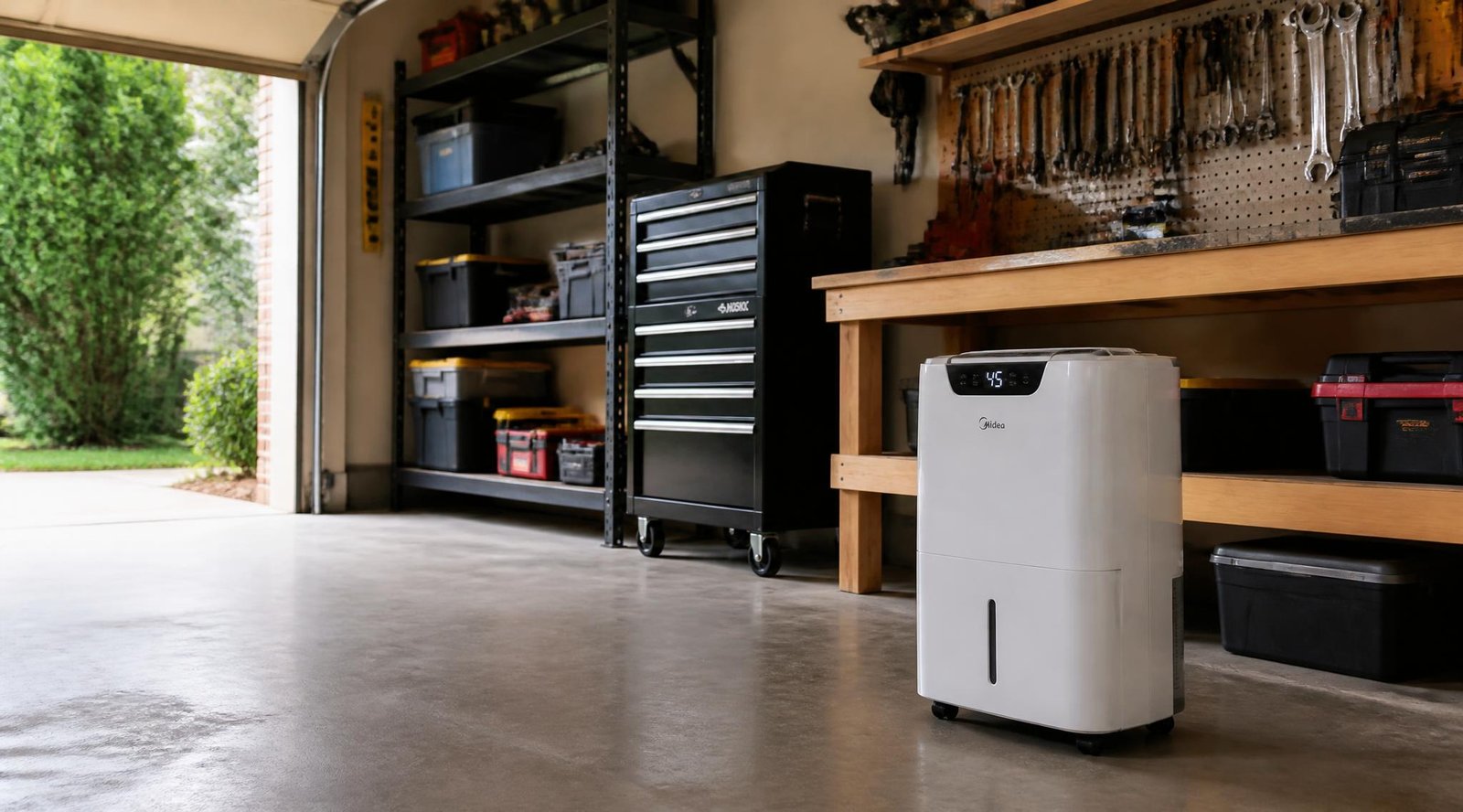
Poor airflow in a garage increases humidity, which speeds up rust on springs, tracks, and hardware. Make sure vents aren’t blocked by storage boxes or clutter, and consider adding a small fan or vent extension if your garage feels consistently damp.
When Maintenance Isn’t Enough: Knowing the Limits
Even with the best garage door maintenance checklist, some garages simply reach the end of their usable life — especially older, detached structures with structural damage, foundation issues, or outdated wiring. In these situations, repair costs can exceed the value of keeping the structure altogether.
If you’re evaluating whether to renovate or tear down an aging garage, our breakdown on how much it costs to remove an old garage can help you make an informed, budget-conscious decision.
Seasonal Garage Door Maintenance Tips
Spring Checklist
- Clear out winter debris and salt residue from tracks
- Check for rust caused by winter moisture
- Test spring tension after cold-weather contraction
Summer Checklist
- Lubricate moving parts (heat speeds up lubricant evaporation)
- Check weatherstripping for sun-related cracking
- Ensure ventilation is adequate to avoid heat buildup
Fall Checklist
- Inspect and replace worn seals before winter moisture arrives
- Test the auto-reverse safety feature
- Check battery backup ahead of storm season
Winter Checklist
- Keep tracks clear of ice and snow buildup
- Avoid using excessive force if the door feels stiff in the cold
- Check that the opener’s cold-weather settings (if available) are enabled
DIY vs. Professional Maintenance: What You Should (and Shouldn’t) Do Yourself
Many parts of this garage door maintenance checklist are perfectly safe for homeowners to handle. However, some tasks carry real risk and should always be left to a licensed technician:
Safe for DIY:
- Visual inspections
- Lubrication
- Cleaning sensors and tracks
- Tightening visible hardware
- Battery replacement
- Remote programming
Leave to a Professional:
- Spring adjustment or replacement (torsion springs are under extreme tension)
- Cable replacement
- Track realignment after major damage
- Opener motor repairs
If you’re ever unsure whether a repair is within your skill level, it’s always safer (and often cheaper in the long run) to call a licensed technician rather than risk injury or further damage.
Essential Tools for Garage Door Maintenance
You don’t need a professional-grade toolbox to keep up with a solid garage door maintenance checklist — most of these tasks require only a handful of affordable, easy-to-find tools:
- Socket wrench set – for tightening loose bolts on brackets, hinges, and tracks
- Silicone or lithium-based garage door lubricant spray – avoid all-purpose oils, which attract dust
- Level – to check whether tracks are properly aligned vertically
- Soft microfiber cloth – for cleaning photo-eye sensors without scratching the lens
- Flashlight – to inspect springs, cables, and the underside of tracks in dim garage lighting
- Tape measure – to confirm both tracks are evenly spaced from the door on both sides
- Work gloves and safety glasses – basic protection any time you’re working near springs or cables
Keeping these tools in a small dedicated bin near your garage door makes it far more likely that you’ll actually stick to a regular maintenance schedule instead of putting it off.
Common Garage Door Maintenance Mistakes to Avoid
Even well-intentioned homeowners make mistakes that shorten the life of their garage door system. Watch out for these common pitfalls:
1. Using the wrong lubricant. WD-40 is a degreaser, not a lubricant. Using it on springs and hinges strips away existing lubrication rather than adding protection, which speeds up wear.
2. Ignoring small noises. A minor squeak or grinding sound is often the earliest warning sign of a bigger mechanical issue. Addressing it early with lubrication or a hardware check is far cheaper than waiting for a full breakdown.
3. Attempting spring or cable repairs without training. This is the single most dangerous mistake homeowners make. Torsion springs store enormous energy, and mishandling them has caused serious injuries. If in doubt, call a professional.
4. Skipping the auto-reverse safety test. This test takes less than a minute but is routinely skipped. A malfunctioning auto-reverse system is a serious hazard, especially in homes with children or pets.
5. Painting over hardware without disassembling it. When freshening up your garage — including work covered in our guide on cleaning garage walls before painting — avoid getting paint on hinges, rollers, or tracks, as this can gum up moving parts.
6. Forgetting about pest entry points. Small gaps around the bottom seal or side tracks aren’t just a draft problem — they’re an open invitation for spiders and rodents. Pairing seal maintenance with the prevention tips in our spider-proofing guide closes both problems at once.
7. Overlooking the opener’s remote battery. A dead remote battery is often mistaken for a bigger opener malfunction. Always rule out the simple explanation before assuming you need a technician.
DIY Maintenance Cost vs. Professional Tune-Up Cost
One of the most common questions homeowners ask is whether a professional garage door tune-up is worth the money compared to handling maintenance themselves. Here’s a general breakdown:
DIY Maintenance (Monthly/Quarterly Checklist Items)
- Lubricant: $8–$15 per bottle (lasts several months)
- Replacement weatherstripping/bottom seal: $15–$40, depending on material and door width
- Basic tools (one-time purchase): $30–$60
- Time investment: 15–30 minutes per session
Professional Tune-Up (Typically Annual)
- Standard inspection and adjustment: $80–$150
- Spring replacement (if needed): $150–$350 depending on spring type — see our full garage door spring repair cost guide for a detailed breakdown
- Cable replacement: $100–$200
- Full opener replacement (in more serious cases): $200–$500+
A reasonable approach most homeowners follow is handling the simple monthly and quarterly checklist items themselves, while scheduling a professional inspection once a year to catch anything that requires specialized tools or expertise — particularly anything involving springs or cables.
How Garage Door Maintenance Affects Home Value and Insurance
It’s easy to overlook, but a well-maintained garage door can actually play a role in your home’s resale value and insurance considerations:
- Curb appeal: The garage door often makes up a significant portion of a home’s front-facing exterior. A door that’s rusted, dented, or misaligned can noticeably drag down curb appeal during a home sale.
- Home inspections: Garage door safety features (like auto-reverse and sensor alignment) are frequently checked during pre-sale home inspections. A failed safety test can delay closing or become a negotiation point.
- Insurance claims: If a garage door failure causes property damage (for example, a door falling due to a snapped, unmaintained cable), insurers may ask for maintenance records, especially if negligence is suspected.
Keeping a simple log — even just a note on your phone each time you complete a maintenance check — can be genuinely useful down the line, both for resale conversations and insurance purposes.
Complete Garage Door Maintenance Checklist (Quick Reference Table)
| Frequency | Task |
|---|---|
| Monthly | Visual inspection, balance test, lubrication, auto-reverse test, sensor cleaning |
| Quarterly | Weatherstripping/seal check, hardware tightening, cable inspection |
| Bi-Annual | Battery backup test, remote reprogramming, wall cleaning, ventilation check |
| Seasonal | Spring/fall deep clean, winter cold-weather checks, summer lubrication |
Frequently Asked Questions About Garage Door Maintenance
How often should I perform garage door maintenance? A basic visual and lubrication check should be done monthly, with a deeper inspection of seals, hardware, and safety features every 3 months, and a full system review twice a year.
Can I lubricate my garage door too often? Yes — over-lubrication attracts dust and debris, which can actually cause more friction over time. Stick to once every 1–3 months unless you notice specific squeaking.
How do I know if my garage door spring needs replacing? Common signs include a visibly stretched or gapped spring, the door feeling unusually heavy when lifted manually, or a loud bang (which often indicates the spring has already broken).
Is it safe to replace a garage door spring myself? No. Torsion springs are under extreme tension and can cause serious injury if mishandled. This task should always be done by a trained professional.
Why does my garage door make noise even after lubrication? Persistent noise after lubrication often points to worn rollers, loose hardware, or a misaligned track — all of which are covered in the maintenance steps above.
How long does a garage door opener battery backup last? Most battery backups last 2–5 years depending on usage and battery quality, but should be tested every 6 months regardless of age.
What’s the average lifespan of a garage door with proper maintenance? With a consistent maintenance routine, most garage doors last 20–30 years, while the opener motor typically lasts 10–15 years before needing replacement.
Do I need to maintain a garage door opener differently from the door itself? Yes. The door’s mechanical parts (springs, tracks, rollers) need lubrication and tension checks, while the opener needs separate attention for its motor, battery, sensors, and programming — as covered in our Chamberlain programming guide and LiftMaster battery guide.
What should I do if my garage door won’t close all the way? This is commonly caused by misaligned photo-eye sensors, an obstruction in the track, or an unbalanced door. Start with the basic sensor and track checks outlined earlier in this guide before assuming it’s a bigger mechanical issue.
Building a Habit Around Garage Door Maintenance
The biggest challenge with any garage door maintenance checklist isn’t knowing what to do — it’s actually remembering to do it consistently. Here are a few practical ways to build the habit:
- Set recurring phone reminders tied to the start of each month and each new season.
- Keep a small maintenance log near your garage door tools — even a simple notebook works.
- Pair maintenance with another routine task, like changing HVAC filters or testing smoke detectors, so it becomes part of an existing habit rather than a separate chore.
- Take before-and-after photos of springs, seals, and hardware every few months. Visual comparison makes it much easier to spot gradual wear that might otherwise go unnoticed.
Small, consistent effort is what separates a garage door that lasts three decades from one that needs major repairs within just a few years.
Final Thoughts
Staying on top of a simple garage door maintenance checklist is one of the easiest ways to protect your home, your family’s safety, and your wallet. Small, consistent efforts — a few minutes of lubrication here, a quick seal inspection there — add up to years of reliable, trouble-free operation.
Bookmark this guide and work through each section as the seasons change. And whenever a specific issue pops up — whether it’s a broken spring, a stubborn opener, or unwanted garage spiders — GarageDaily.com has a dedicated, step-by-step guide ready to help you fix it right the first time.