Your garage door is the largest moving object in your home, and yet it’s usually the most neglected. Homeowners will happily change their car’s oil every 5,000 miles but won’t think twice about their garage door until it screeches, sags, or simply refuses to open. A solid garage door maintenance routine isn’t just about avoiding an embarrassing squeak when you leave for work — it’s about safety, security, and saving hundreds of dollars in avoidable repairs.
In this complete garage door maintenance guide, we’ll walk you through a practical, easy-to-follow checklist that covers everything from monthly visual inspections to seasonal deep maintenance. Whether you’re a first-time homeowner or someone who’s owned a house for 20 years and never looked twice at the garage door track, this guide will help you build a maintenance habit that actually protects your investment.
Why Garage Door Maintenance Matters
A garage door typically opens and closes 1,000 to 1,500 times a year. Every one of those cycles puts stress on springs, cables, rollers, hinges, and the opener motor. Skip maintenance long enough, and small issues compound into major failures — a snapped spring, a door that falls off track, or an opener that burns out completely.
Here’s what regular maintenance actually gives you:
- Longer lifespan for your door and opener, often adding 5–10 extra years of service
- Lower repair costs, since small fixes are far cheaper than emergency repairs
- Better home security, as a well-maintained door seals and locks properly
- Improved energy efficiency, since gaps and worn seals let outside air into your garage and, in attached garages, into your home
- Reduced safety risk, since torsion springs and cables under tension can cause serious injury if they fail unexpectedly
If you’ve ever dealt with a broken spring, you already know how costly and dangerous a neglected door can become — we cover the real numbers in our garage door repair cost guide for broken springs, and prevention is always cheaper than that repair bill.
Tools You’ll Need Before You Start
You don’t need a professional’s toolbox to maintain a garage door. Here’s what covers 90% of maintenance tasks:
- A step ladder
- A socket wrench set and screwdrivers (flathead and Phillips)
- A level
- White lithium grease or silicone-based garage door lubricant
- A clean microfiber cloth
- A soft-bristle brush or vacuum with a brush attachment
- Work gloves and safety glasses
- A flashlight for inspecting dark corners and tracks
Avoid WD-40 as a long-term lubricant — it’s a solvent, not a lubricant, and it can actually strip away existing grease and attract more dust over time.
Monthly Garage Door Maintenance Checklist
Monthly maintenance is quick — most homeowners can complete this in 15–20 minutes.
1. Visual Inspection
Walk around the door with your garage door open and closed. Look for:
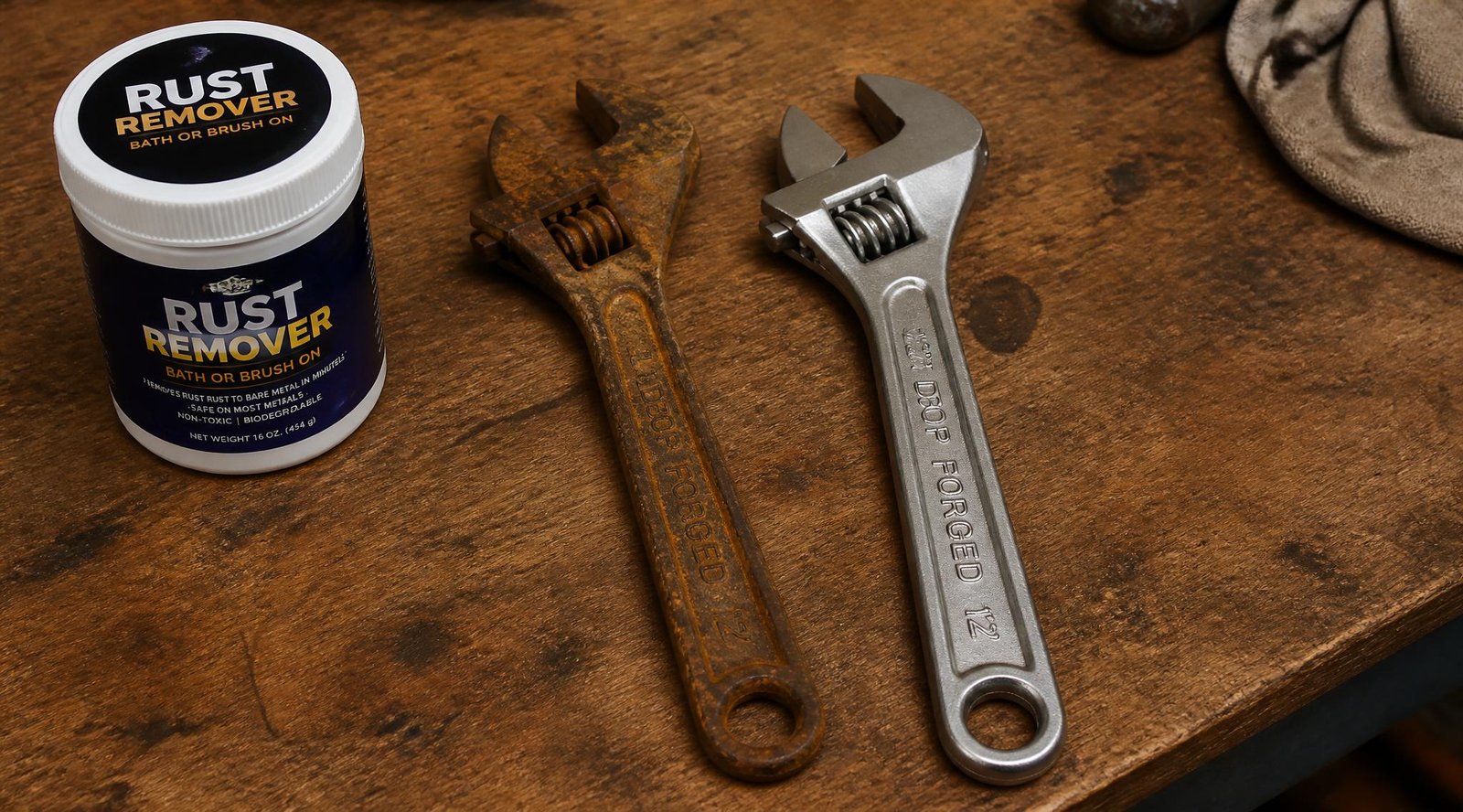
- Rust on springs, cables, or hardware
- Frayed or worn cables
- Dents or warping in door panels
- Gaps in weatherstripping around the edges
2. Listen to the Sound
A healthy garage door should open and close with a smooth, consistent hum. Grinding, popping, or scraping noises usually point to worn rollers, loose hardware, or a track alignment issue.
3. Test the Balance
Disconnect the automatic opener (most models have a manual release cord), and lift the door halfway by hand. A properly balanced door should stay in place without falling or shooting upward. If it doesn’t hold its position, the springs may need adjustment — this is a job for a professional, since torsion springs are under extreme tension.
4. Test the Auto-Reverse Safety Feature
Place a block of wood or a roll of paper towels on the ground where the door would close. Trigger the door to close. It should automatically reverse the moment it touches the object. If it doesn’t, stop using the opener until this safety feature is repaired — this is one of the most important safety checks you can do each month.
5. Check the Photo-Eye Sensors
The small sensors near the bottom of the tracks on each side of the door should be aligned and free of dust or cobwebs. Misaligned or dirty sensors are one of the most common reasons a garage door won’t close, or reverses unexpectedly.
Quarterly (Seasonal) Maintenance Tasks
Every three months, or with each change of season, go a level deeper.
1. Lubricate Moving Parts
Apply lithium grease or a silicone-based garage door lubricant to:
- Rollers (unless they’re nylon, which doesn’t need lubrication)
- Hinges
- Springs
- The track’s moving contact points
- The opener’s chain or screw drive
Wipe away excess lubricant so it doesn’t attract dust and grime.
2. Tighten Hardware
Vibration from regular use loosens bolts, brackets, and screws over time. Go around the door with a socket wrench and tighten anything that’s loose, especially the roller brackets and the track mounting hardware.
3. Clean and Inspect the Tracks
Wipe down the tracks with a damp cloth to remove built-up dirt and debris. Use a level to check that the tracks are still plumb and aligned — misaligned tracks are a leading cause of a door binding or grinding.
4. Inspect Weatherstripping and Bottom Seal
Weatherstripping and the bottom seal are your garage’s first line of defense against rain, pests, dust, and temperature swings. If the seal is cracked, brittle, or compressed flat, it’s time to replace it. We’ve written a full step-by-step walkthrough in our guide on how to replace a garage door bottom seal, including how to pick between rubber, vinyl, and bulb-style seals for your climate.
5. Check for Gaps Along the Door Edges
If you notice light coming through the sides of a closed door, or feel a draft, you likely have a gap issue caused by weather-related warping, worn weatherstripping, or an installation problem. Our guide on how to fix a gap on one side of a garage door walks through diagnosing and correcting this before it turns into a bigger insulation or pest problem.
Annual Deep Maintenance Tasks
Once a year, plan for a more thorough maintenance session — ideally in spring or fall, before extreme summer heat or winter cold puts extra strain on the system.
1. Inspect Springs and Cables Closely
Look for rust, stretching, gaps between coils, or fraying on the cables. Never attempt to adjust or replace torsion springs yourself — the tension involved can cause serious injury. If you notice wear, call a professional technician. Understanding typical repair costs ahead of time helps you budget for this; our detailed breakdown on garage door spring repair costs explains what factors affect pricing, from spring type to labor rates in your area.
2. Test and Service the Opener
Whether you have a Chamberlain, LiftMaster, or another brand, the opener is the mechanical heart of your garage door system. Annual maintenance should include:
- Checking and, if needed, replacing the backup battery — see our guide on how to change the battery in a LiftMaster garage door opener for a full walkthrough
- Reviewing programming and remotes, especially if you’ve added or removed vehicles or family members — our guide on how to program a Chamberlain garage door opener covers this step by step
- If you use one remote to control multiple doors, revisit our guide on how to program a multi-code garage door opener to make sure all codes are current and no unauthorized codes remain stored
3. Clean and Prep Garage Walls
An annual maintenance check is a great time to inspect your garage walls for cracks, moisture damage, or peeling paint. If you’re planning to repaint, don’t skip prep — our guide on how to clean garage walls before painting explains the process for a finish that actually lasts.
4. Pest and Rodent Check
Garages are prime real estate for spiders, rodents, and insects, especially in fall when pests look for warm places to nest. Seal any gaps, clear clutter, and check corners and storage boxes. Our detailed guide on how to keep spiders out of the garage covers prevention strategies that also help with general pest control.
5. Evaluate Whether Repair or Replacement Makes Sense
Sometimes a garage has reached the end of its useful life, especially if it’s an older detached structure with structural issues beyond the door itself. If repairs are starting to add up and you’re weighing a full replacement or removal, our guide on garage demolition costs breaks down what to expect financially before you commit.
Seasonal Maintenance at a Glance
| Season | Priority Tasks |
|---|---|
| Spring | Deep clean tracks, inspect weatherstripping, check for winter damage |
| Summer | Lubricate moving parts, check for heat-related warping, test auto-reverse |
| Fall | Inspect seals for winter readiness, pest-proof the garage, tighten hardware |
| Winter | Check battery backup, inspect for ice buildup on tracks, avoid over-lubricating in freezing temps |
Common Garage Door Problems and What They Usually Mean
- Door won’t open or close at all — Often a dead opener battery, a tripped circuit breaker, or misaligned photo-eye sensors.
- Door reverses before touching the ground — Usually a sensor alignment issue or an obstruction in the track.
- Loud grinding or banging noise — Frequently worn rollers, loose hardware, or a bent track.
- Door is off-balance — A sign of spring wear; don’t attempt DIY spring adjustment.
- Visible gap along the bottom or sides — Worn weatherstripping, warped panels, or a settling foundation.
- Door opens but won’t stay closed — A common opener limit-setting issue, or in some cases a spring balance problem.
DIY vs. Calling a Professional
Most of the maintenance tasks above — cleaning, lubricating, tightening hardware, testing sensors — are entirely safe for homeowners to do themselves. However, some tasks should always be left to a trained technician:
- Torsion spring adjustment or replacement
- Cable replacement
- Structural realignment of bent tracks
- Full opener motor replacement
The tension stored in garage door springs can cause severe injury or worse if mishandled. When in doubt, the cost of a professional service call is far lower than the cost of an emergency room visit.
A Simple Garage Door Maintenance Schedule You Can Follow
To make this easy to stick to, here’s a simplified version you can pin to your garage wall or set as a recurring phone reminder:
- Every month: Visual inspection, listen for noise, test auto-reverse and photo-eye sensors
- Every 3 months: Lubricate parts, tighten hardware, inspect tracks and weatherstripping
- Every 12 months: Inspect springs and cables, service the opener, check walls and pest entry points, review whether repair or replacement makes sense
How Climate Affects Your Maintenance Routine
Where you live changes what your garage door needs most.
Hot and Dry Climates
Heat causes metal components to expand, lubricant to thin out faster, and rubber weatherstripping to dry out and crack sooner than in milder regions. If you live somewhere with long, hot summers, plan to inspect weatherstripping every quarter instead of twice a year, and choose a lubricant rated for high temperatures so it doesn’t run off the components.
Cold and Snowy Climates
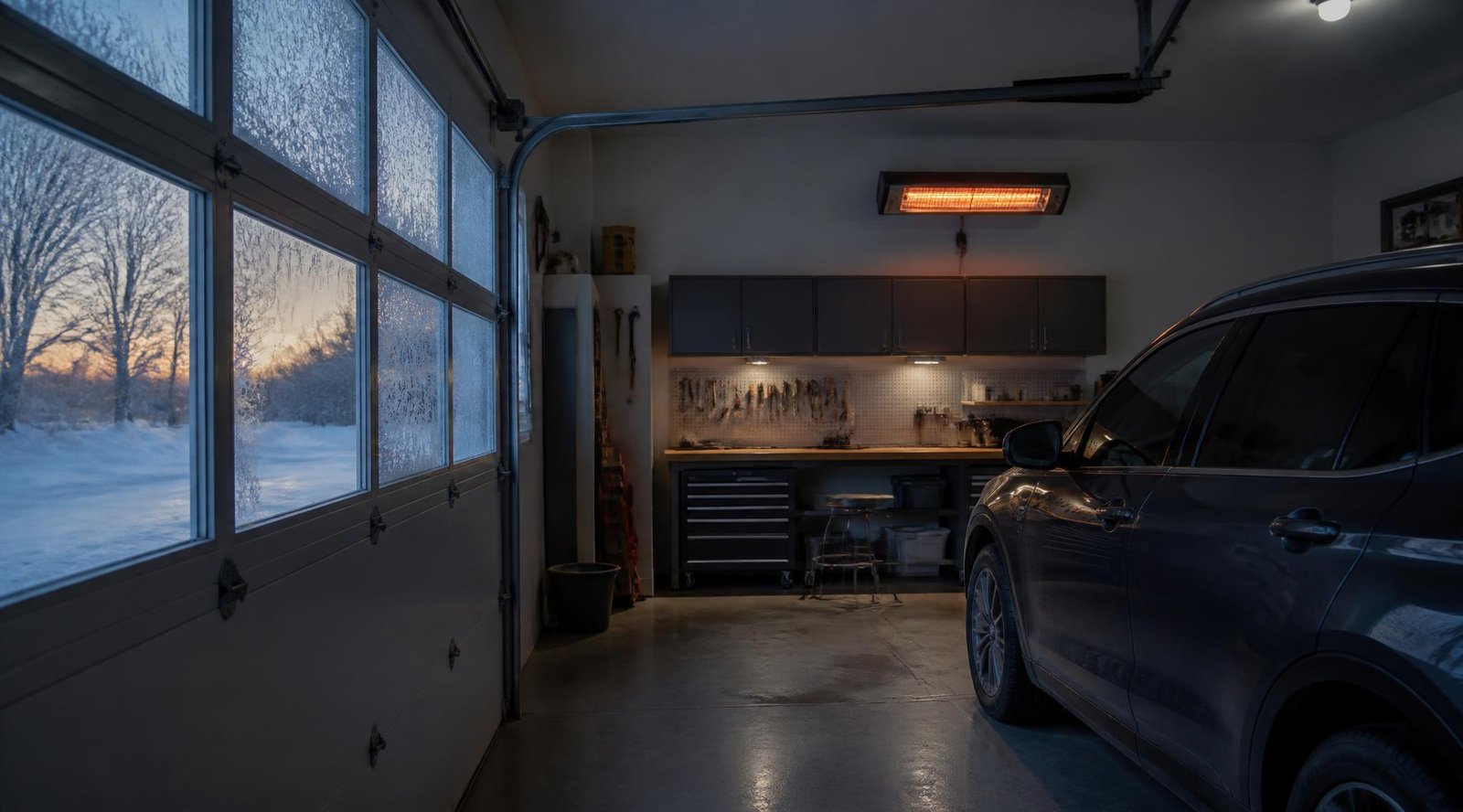
Freezing temperatures stiffen standard lubricants and can cause metal-on-metal contact that leads to premature wear. Ice buildup on tracks is also a common winter issue — never force a door that’s frozen shut, since this can bend the track or strip opener gears. Instead, use a hairdryer or warm water to gently melt ice before operating the door, and switch to a silicone-based lubricant designed for low temperatures.
Humid or Coastal Climates
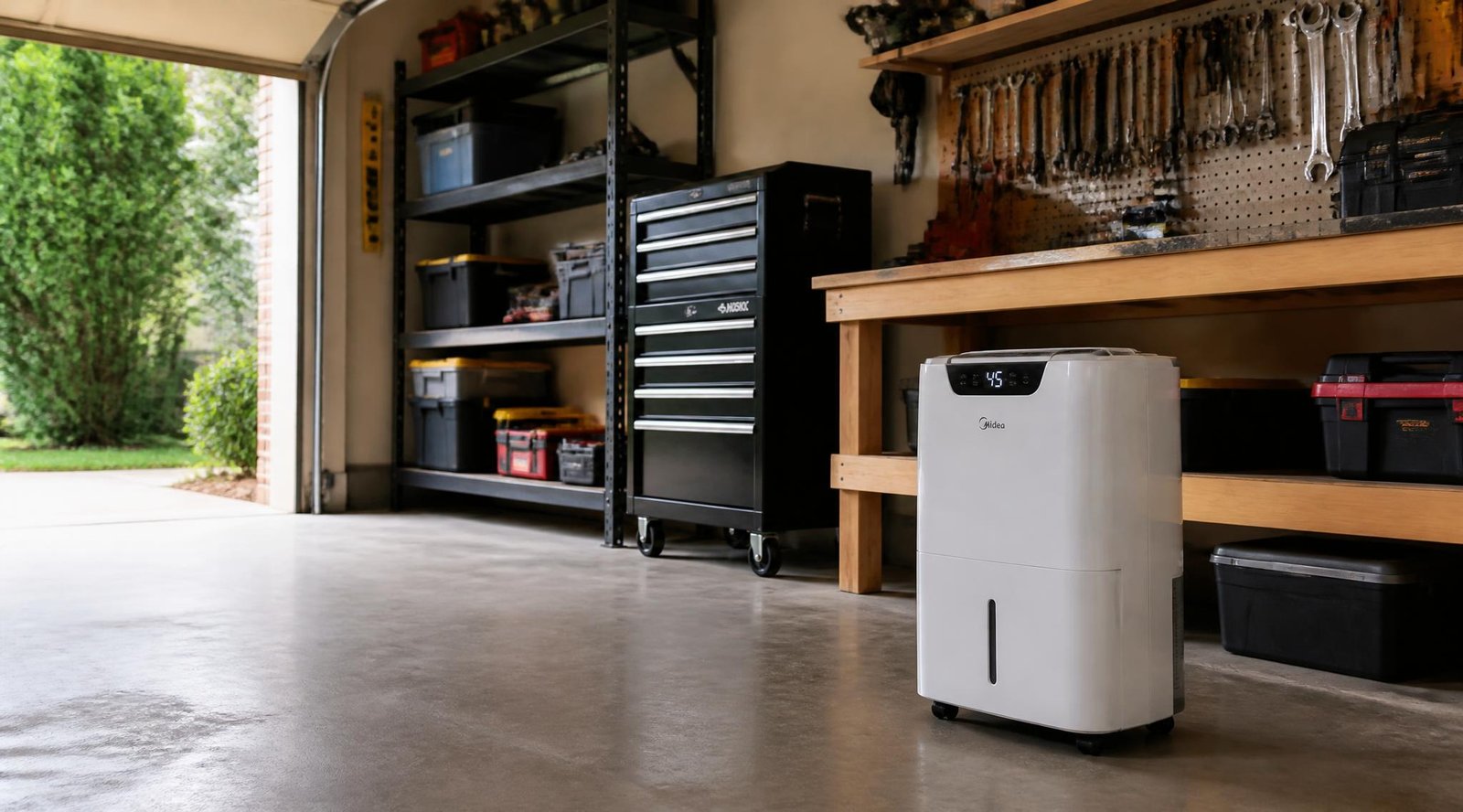
Moisture in the air accelerates rust on springs, hinges, and tracks, especially in coastal areas with salt in the air. If you’re in a humid or coastal region, wipe down metal hardware more frequently and consider galvanized or stainless-steel components when replacing parts, since they resist corrosion far better than standard steel.
Areas With Heavy Storms or High Winds
If your area sees frequent storms, pay extra attention to the door’s structural integrity and track alignment after major weather events. Wind pressure can stress panels and hardware, so a post-storm inspection is worth adding to your routine even outside your normal maintenance schedule.
The Real Cost of Skipping Maintenance
It’s tempting to think of garage door maintenance as optional, especially when everything seems to be working fine. But neglect compounds quietly until it doesn’t.
- A dry, unlubricated system wears out rollers and hinges faster, often turning a $20 lubrication job into a $150–$300 roller replacement.
- Ignored spring wear can lead to a sudden spring failure, which not only costs more to repair on an emergency basis but can also damage the door panel, track, or opener if the door drops suddenly.
- Unaddressed weatherstripping gaps let in moisture and pests, which can lead to mold, wood rot in wooden doors, or an infestation that spreads into stored items or even the home itself.
- A neglected opener is more likely to fail without warning, often at the most inconvenient time, such as right before you need to leave for work or during severe weather.
- Skipped safety checks, particularly the auto-reverse feature, pose a genuine risk to children, pets, and vehicles if the door fails to stop or reverse when it should.
In almost every case, the cost of prevention is a small fraction of the cost of emergency repair. A quarterly maintenance routine that takes under an hour can save you hundreds of dollars a year and prevent the kind of failure that turns into a safety incident.
Signs You Need Professional Help Right Away
While most maintenance is DIY-friendly, certain warning signs mean it’s time to stop and call a professional immediately:
- The door is visibly off-track or hanging unevenly
- You hear a loud bang, which can indicate a snapped spring
- Cables appear frayed, loose, or disconnected from the drum
- The door won’t stay open on its own, even briefly
- There’s visible rust or corrosion on load-bearing hardware
- The opener motor smells like it’s burning or makes a persistent grinding noise
Attempting to fix any of these issues without proper training and tools can result in injury, so treat these as a hard stop for DIY work.
Building a Maintenance Log
One habit that separates homeowners who get 30 years out of a garage door from those who don’t: keeping a simple maintenance log. It doesn’t need to be complicated — a note on your phone or a small notebook in the garage works fine. Track:
- The date of each inspection
- What you checked and what you found
- Any parts lubricated, tightened, or replaced
- Any professional service visits and what was done
This log becomes especially useful if you ever sell your home, since a documented maintenance history reassures buyers that the garage door system has been properly cared for.
Frequently Asked Questions
How often should I maintain my garage door? Do a quick visual and sound check monthly, a deeper lubrication and hardware check every three months, and a full inspection — including springs, cables, and the opener — once a year.
How long should a garage door and opener last with proper maintenance? A well-maintained garage door can last 15–30 years, while openers typically last 10–15 years. Regular maintenance is the biggest factor in reaching the higher end of that range.
Can I lubricate my garage door too much? Yes. Over-lubrication attracts dust and grime, which can clog rollers and tracks over time. A thin, even coat applied quarterly is enough.
Why does my garage door make noise only in cold weather? Cold temperatures can stiffen lubricant and cause metal components to contract slightly, which often leads to noise. Using a silicone-based lubricant rated for low temperatures helps prevent this.
Is it safe to replace garage door springs myself? No. Torsion springs are under extreme tension and can cause serious injury if mishandled. This is one repair that should always go to a trained professional.
What’s the single most important garage door maintenance task? If you only do one thing, test the auto-reverse safety feature monthly. It’s the fastest check you can do, and it directly protects your family, pets, and vehicle from a malfunctioning door.
Should I maintain my garage door differently if it’s attached to my house versus detached? Attached garages benefit even more from tight weatherstripping and seal maintenance, since gaps let outside air, moisture, and pests move directly into your living space. Detached garages should get extra attention on structural elements like the foundation and roof, since issues there affect the door’s alignment over time.
Final Thoughts
A garage door doesn’t ask for much — a bit of lubricant, a tightened bolt here and there, and a watchful eye for warning signs. But skip that basic care, and you’re looking at a door that fails at the worst possible moment, or a repair bill that could have been avoided entirely. Use the checklist above as a recurring habit, not a one-time fix, and your garage door will reward you with years of quiet, reliable service.
If you’re dealing with a specific issue right now — a stuck opener, a gap letting in drafts, or spiders taking over your storage space — check out our in-depth guides linked throughout this article for step-by-step help.
At GarageDaily.com, we believe a well-maintained garage door is one of the simplest ways to protect your home’s safety, security, and value, and it doesn’t require a big budget or advanced tools to get right. Start with the monthly checklist this week, add the quarterly tasks to your calendar, and set a yearly reminder for the deeper inspection. Small, consistent effort now is what keeps your garage door quiet, balanced, and reliable for decades to come — and it means fewer surprises, fewer emergency repair calls, and a lot more peace of mind every time you pull into your driveway.