
How To Get Rid Of Chipmunks In Garage: A Comprehensive Guide
As we continue our journey into home maintenance, we shift our focus to another common concern chipmunks making unwelcome visits to your garage. This comprehensive guide will equip you with insights, tips, and practical strategies on How To Get Rid Of Chipmunks In Your Garage, ensuring a pest-free and secure space.
Table of Contents

Understanding the Chipmunk Invasion
With their small size and agile nature, Chipmunks can find their way into garages in search of shelter, warmth, or potential food sources. Understanding their behavior is essential in implementing effective control measures.
Identifying Chipmunk Entry Points
Begin your chipmunk control efforts by identifying and sealing potential entry points. Check for gaps, cracks, or openings around doors, windows, and foundations. Chipmunks can squeeze through surprisingly small spaces, so a thorough inspection is essential.
Natural Deterrents and Repellents
Explore natural deterrents and repellents to discourage chipmunks from entering your garage. These can include:
- Mothballs: Place mothballs strategically around the garage perimeter.
- Peppermint Oil: Soak cotton balls in peppermint oil and place them near potential entry points.
- Ammonia: Ammonia and water can be sprayed around the garage.
Remember, while these methods can be effective, they might need regular reapplication.
Humane Traps and Relocation
Use humane traps to capture chipmunks without causing harm. Once captured, relocate them to a suitable area away from your home. Ensure you check local regulations regarding the humane relocation of wildlife.
Exclusionary Techniques
Use exclusionary techniques by installing barriers that prevent chipmunks from accessing your garage. This may include adding door sweeps, sealing wall gaps, or covering openings with mesh screens.
Natural Predators
Encourage natural predators like domesticated cats or install predator decoys around your property. The presence of these predators can act as a deterrent for chipmunks.
Implementing Advanced Chipmunk Control Strategies: Going Beyond the Basics
As we dive deeper into the realm of chipmunk control, it’s essential to explore advanced strategies that go beyond the basics. This guide suggests equipping you with additional insights and techniques to address persistent chipmunk issues, ensuring a comprehensive, long-lasting solution.
Understanding Chipmunk Behavior Patterns
Dive into the intricacies of chipmunk behavior to gain a more profound understanding of their habits. Recognizing their activity patterns, preferred nesting spots, and feeding times can aid in developing targeted control strategies.
Integrating Smart Technologies
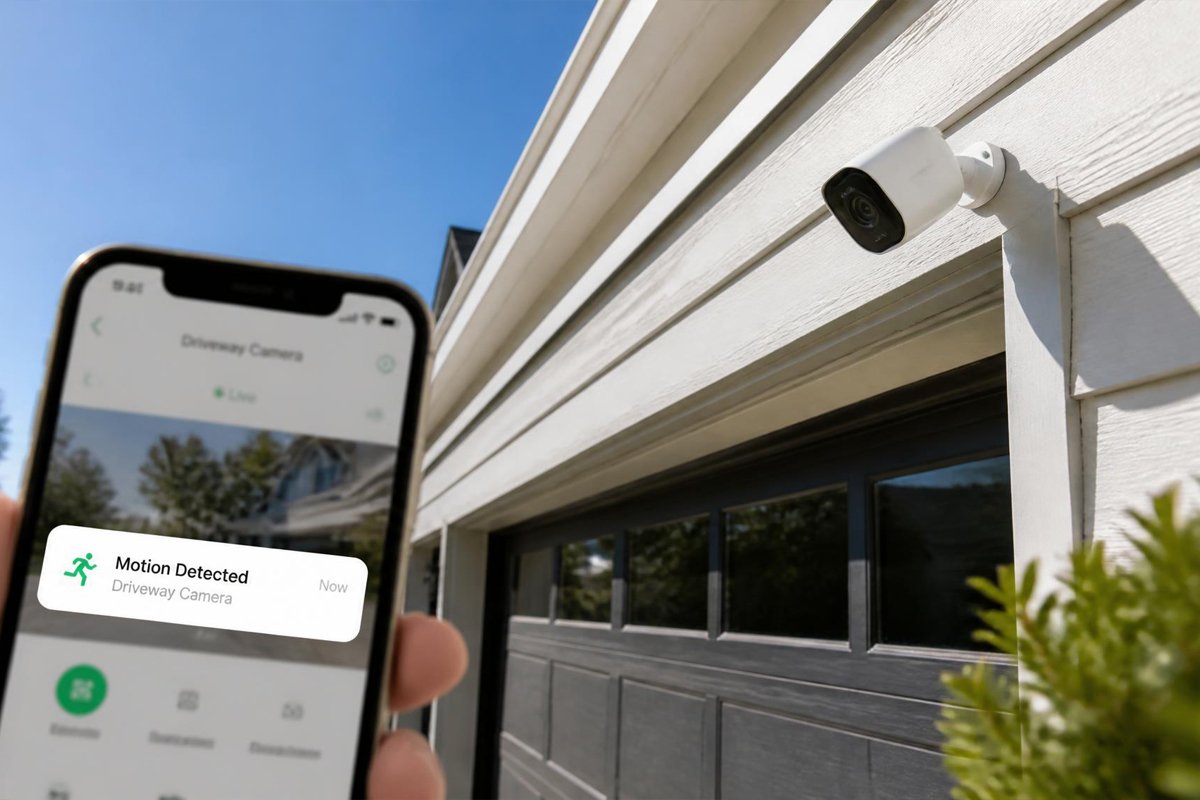
Explore the integration of intelligent technologies to enhance your chipmunk control efforts. Motion-activated devices, equipped with sensors and cameras, can provide real-time alerts, allowing you to promptly monitor and respond to chipmunk activity.
Environmental Modifications for Chipmunk Deterrence
Consider making modifications to your garage environment that naturally discourage chipmunks. Planting specific vegetation or introducing natural barriers like gravel around the garage perimeter can create an inhospitable environment for these critters.
DIY Chipmunk-Resistant Landscaping
Create a chipmunk-resistant landscape by selecting plants that are less appealing to them. Plan for varieties with solid scents or textures that chipmunks find unappealing. This approach adds aesthetic value to your surroundings and acts as a preventive measure.
Ultrasonic Repellent Devices
Explore using ultrasonic-repellent devices designed to deter chipmunks through high-frequency sounds. These devices, often powered by solar energy, emit unpleasant frequencies for chipmunks, encouraging them to avoid the treated areas.
Utilizing Natural Predators: Beyond Domesticated Cats
While domesticated cats are natural chipmunk predators, consider expanding the array of natural predators. Attract birds of prey like owls or install birdhouses to encourage their presence, contributing to a balanced ecosystem that naturally regulates chipmunk populations.
Behavior Modification Techniques
Implement behavior modification techniques to deter chipmunks effectively. This may involve using taste aversions or introducing harmless deterrents that condition chipmunks to avoid specific areas.
Collaborative Chipmunk Control Communities
Engage with your local community to establish collaborative chipmunk control efforts. Sharing insights, experiences, and successful strategies with neighbors can create a collective approach that addresses chipmunk issues on a broader scale.
Creating DIY Chipmunk-Proof Structures
Explore DIY projects to create chipmunk-proof structures within your garage or garden. This may include constructing elevated planters or installing protective barriers that prevent chipmunks from accessing vulnerable areas.
Scientific Approaches to Chipmunk Control
Dive into scientific approaches to chipmunk control, such as studying pheromones or innovative research on non-lethal population management. Stay informed about emerging scientific findings contributing to more sustainable and humane chipmunk control practices.
Building a Chipmunk-Friendly Habitat
Consider designating specific areas in your yard as chipmunk-friendly habitats, away from critical zones like the garage. Provide food sources, shelter, and nesting spaces in these designated areas to redirect chipmunks away from undesirable locations.
Monitoring and Data Collection
Establish a monitoring and data collection system to track chipmunk activity effectively. This may involve setting up cameras, recording observations, and maintaining a log to identify trends or changes in behavior.
Local Regulations and Wildlife Management
Stay informed about local regulations related to wildlife management. Understanding the legal aspects of chipmunk control ensures that your strategies align with ethical and legal considerations.
Maintaining a Clean Environment
Eliminate potential food sources within your garage. Securely store pet food, birdseed, or other edible items in sealed containers. Keeping the garage environment less attractive for chipmunks reduces the likelihood of their presence.
Regular Inspection and Maintenance
Consistent inspection and maintenance play a key role in chipmunk control. Regularly check for signs of chipmunk activity and promptly address any new entry points or potential attractants.
Professional Pest Control Services
If chipmunk infestations persist or become challenging, consider seeking professional pest control services. Professionals can provide targeted solutions based on the severity of the issue.
Environmental Considerations
When choosing pest control methods, be mindful of the environment and plan for eco-friendly and safe solutions for your family and surrounding wildlife.

FAQ: Addressing Common Concerns in Advanced Chipmunk Control
Q1: Are ultrasonic-repellent devices safe for pets and humans?
A1: Most ultrasonic-repellent devices are designed to be safe for pets and humans, emitting frequencies targeted explicitly towards small rodents. However, checking product specifications and consulting with a veterinarian for added assurance is advisable.
Q2: How long do behavior modification techniques take to show results?
A2: The effectiveness of behavior modification techniques varies, and results may be influenced by factors like the specific method used, the persistence of application, and the adaptability of chipmunks. In some cases, noticeable changes may occur within a few weeks.
Q3: Can chipmunks become resistant to specific deterrents over time?
While chipmunks may show some adaptability, regularly changing or rotating deterrent methods can help prevent resistance. Combining multiple strategies is more effective than relying on a single approach.
Q4: What should I do if a chipmunk-friendly habitat attracts more chipmunks than expected?
A4:Adjust the size and location of the chipmunk-friendly habitat to achieve a balance. If the population becomes overwhelming, consider consulting with local wildlife authorities or specialists for humane and sustainable management guidance.
Q5: Are there any legal considerations in advanced chipmunk control?
A5: Yes, local regulations regarding wildlife control should be considered. It’s essential to adhere to ethical and legal practices. If you need more clarification, contact local wildlife management authorities for guidance on permissible chipmunk control methods.
These frequently asked questions provide valuable insights into navigating the intricacies of advanced chipmunk control. Always prioritize humane and ethical approaches, and consult with local experts for guidance tailored to your situation.
Final Word
Mastering chipmunk control in your garage involves a combination of preventative measures, humane practices, and regular maintenance. Once you know How To Get Rid Of Chipmunks In Garage, understand chipmunk behavior, and employ these practical strategies, you can reclaim your garage space and enjoy a pest-free environment. Happy pest control!



![A standard smoke detector is the wrong tool for a garage — dust, vehicle exhaust, and temperature swings trigger enough false alarms that most people eventually just disable the unit, which defeats the purpose entirely. A heat detector solves that by responding to actual temperature change instead of airborne particles. For related garage fire and safety context, see our carbon monoxide and garage safety guide. This roundup focuses specifically on which heat detector to buy. Quick answer: for most attached garages, a hardwired, interconnectable unit like the First Alert HD6135FB is the most reliable choice, since it ties into your home's existing smoke/CO alarm system rather than operating as an isolated device. If wiring isn't an option or you want app alerts when you're not home, a smart or wireless model further down this list covers that instead. We compared products on detection method (fixed temperature vs. rate-of-rise), operating temperature range, interconnection capability, installation type, and price — specifically for garage use, where dust, exhaust, and wide temperature swings rule out options that work fine in a bedroom or hallway. [IMAGE 1 — THUMBNAIL: heat detector mounted on garage ceiling with LED indicator visible — full professional photo brief in SEO package] Quick Comparison Product Best For Detection Type Approx. Price First Alert HD6135FB Best Overall 135°F fixed + rate-of-rise ~$25–$35 Kidde HD135F Best for Whole-Home Interconnection 135°F fixed only ~$25–$35 X-Sense XH02-M Best Smart/App-Connected Heat + app alerts (needs base station) ~$30–$40 + base station RiSol Commercial Heat Detector Best for Large or Extreme-Range Garages Dual fixed + rate-of-rise, –4°F to 135°F ~$50–$80 Honeywell 5809SS Best Wireless (No Hardwiring) Fixed + rate-of-rise, 345MHz wireless ~$40–$55 Note: prices are approximate and based on typical current listings — confirm exact specs and compatibility before you buy. 1. First Alert HD6135FB — Best Overall ⭐ Best Overall 135°F fixed temperature + rate-of-rise (15°F/min) | Hardwired 120VAC with 9V battery backup | 85dB horn | UL539 compliant | ~$25–$35 [IMAGE 2 — First Alert HD6135FB mounted on garage ceiling, white housing visible — full professional photo brief in SEO package] This is the most widely stocked and referenced heat detector for exactly this use case, and the dual-sensing approach is the reason why: it triggers either when the temperature hits a fixed 135°F or when it rises more than 15°F in a single minute, whichever comes first. That rate-of-rise sensing catches a fast-developing fire earlier than a fixed-temperature-only unit would, without the false-alarm sensitivity of a smoke detector. Why buy it • Dual detection (fixed + rate-of-rise) catches fast-developing fires earlier than fixed-only units • Microprocessor control specifically reduces nuisance alarms from dust and temperature swings • Interconnects with other First Alert/BRK hardwired alarms so a garage fire triggers alarms throughout the house Worth knowing • Requires hardwiring into a 120V circuit — not a simple battery-only install • Not rated for extreme cold below –20°F or heat above 115°F, which covers the vast majority of garages but is worth checking for extreme climates Verdict: the safest default pick if your garage is already wired or you're comfortable having an electrician add the circuit — the interconnection with the rest of your home's alarm system is the real value here. 2. Kidde HD135F — Best for Whole-Home Interconnection 🔗 Best for Interconnection 135°F fixed temperature only | Hardwired with 9V battery backup | Interconnects up to 24 Kidde devices | 2 status LEDs | ~$25–$35 [IMAGE 3 — Kidde HD135F heat detector on ceiling with visible LED status lights — full professional photo brief in SEO package] If your home already runs on Kidde smoke and CO alarms, this is the natural fit — it interconnects with up to 24 other Kidde AC-interconnect devices, meaning a garage fire trips every alarm in the house, not just the one nearest the fire. The trade-off against the First Alert pick above is that this unit is fixed-temperature only, without rate-of-rise sensing, which means it won't catch a fast-developing fire quite as early. Pair it with our carbon monoxide safety guide if you're building out a full Kidde-based alarm ecosystem across the house. Why buy it • Seamless interconnection if the rest of your home already runs Kidde alarms • Two LED indicators make status checking simple at a glance • UL 539 certified with a straightforward, well-documented hardwired install Worth knowing • Fixed temperature only — no rate-of-rise detection, so it triggers slightly later on a fast-developing fire • Only interconnects with other Kidde AC-interconnect devices, not mixed brands Verdict: the right choice specifically if you're standardizing on Kidde across the house — otherwise the First Alert's rate-of-rise sensing is the stronger technical pick. 3. X-Sense XH02-M — Best Smart/App-Connected 📱 Best Smart Option Heat sensing + WiFi app alerts | Requires SBS50 base station (sold separately) | Push notifications, battery status alerts | ~$30–$40 + base station [IMAGE 4 — X-Sense XH02-M heat detector with smartphone showing app alert notification — full professional photo brief in SEO package] This is the pick if you want to know about a problem while you're at work or on vacation, not just when you're standing in the garage. It connects to X-Sense's SBS50 base station over 2.4GHz WiFi and pushes alerts, battery status, and incident updates straight to your phone through the X-Sense Home Security app — genuinely useful for anyone who travels or has a detached garage/workshop they don't check daily. Why buy it • Remote push notifications mean you find out about a problem even when you're away from home • Battery status alerts prevent the detector from silently going dead without your knowledge • Straightforward app setup compared to a full hardwired interconnect system Worth knowing • Requires the separate SBS50 base station to function — factor that cost into the total price • Depends on home WiFi and the manufacturer's app/cloud service staying online to deliver remote alerts Verdict: worth the added cost and setup if remote monitoring genuinely matters to your situation — skip it if you're rarely away from the property for long stretches. 4. RiSol Commercial-Grade Heat Detector — Best for Large or Extreme-Range Garages 🌡️ Best for Extreme Ranges Dual fixed + rate-of-rise thermistor sensing | Operating range –4°F to 135°F | Covers up to 900 sq ft | 85dB alarm | ~$50–$80 [IMAGE 5 — RiSol commercial heat detector mounted in a large workshop-style garage — full professional photo brief in SEO package] Built with commercial and industrial spaces in mind, this steps up both the coverage area and the operating temperature range compared to standard residential units — rated down to –4°F, which matters for an uninsulated garage in a genuinely cold climate. The wider 900 sq ft coverage also means a large two-car garage or combined garage/workshop can often get by with fewer total units than standard residential detectors would require. Why buy it • Wide operating range handles genuinely extreme cold better than standard residential units • Larger 900 sq ft coverage area reduces the total number of units needed for a big space • Dual-sensor design matches the fixed + rate-of-rise approach of the best residential picks Worth knowing • Costs more than standard residential heat detectors, reflecting the commercial-grade build • Overkill for a small single-car garage — sized for larger spaces specifically Verdict: the right pick for a large garage, detached workshop, or genuinely harsh climate where standard residential units are pushed past their comfortable operating range. 5. Honeywell 5809SS — Best Wireless (No Hardwiring) 📡 Best Wireless Fixed + rate-of-rise detection | 345MHz wireless | Requires a compatible security panel/receiver | ~$40–$55 [IMAGE 6 — Honeywell 5809SS wireless heat detector mounted with no visible wiring — full professional photo brief in SEO package] For a garage that isn't wired and where running new electrical isn't practical, this is a genuine wireless alternative — it communicates over 345MHz radio to a compatible security system receiver rather than needing a hardwired connection. The catch is real and worth stating plainly: this only works if you already have, or are willing to add, a compatible security panel. It's not a fully standalone battery unit that works on its own out of the box. Why buy it • No electrical work required — genuinely useful for an unwired detached garage or workshop • Same fixed + rate-of-rise dual detection as the best hardwired picks on this list • Integrates with an existing home security system if you already have compatible Honeywell/Resideo equipment Worth knowing • Requires a compatible 345MHz security panel or receiver — it will not function as a true standalone device • Adds an ongoing dependency on your security system staying powered and functional Verdict: the right pick only if you already have, or plan to add, a compatible security system — otherwise the hardwiring cost for a First Alert or Kidde unit is usually simpler. Which Heat Detector Fits Your Garage? • Standard attached garage, already wired: the First Alert HD6135FB is the safest, most tested default. • Home already runs Kidde smoke/CO alarms: the Kidde HD135F keeps the whole system on one interconnected brand. • You travel often or have a detached workshop you don't check daily: the X-Sense XH02-M's app alerts are worth the extra setup. • Large two-car garage, workshop, or genuinely cold climate: the RiSol commercial unit's wider range and coverage area earn the higher price. • Garage isn't wired and running new electrical isn't practical: the Honeywell 5809SS is the realistic wireless option, provided you have or plan to add a compatible security panel. If you're installing a detector alongside other garage upgrades — an EV charger, new overhead storage, or a full workshop build-out — it's worth planning detector placement at the same time rather than as an afterthought once everything else is installed. A Quick Reality Check on “Battery-Only” Heat Detectors If you've searched for a simple, standalone battery-powered heat detector with no wiring and no base station required, you've likely noticed there aren't many well-established options from major brands — that's not an oversight on this list, it reflects the actual market. Most “battery operated” heat detectors marketed online are either wireless units requiring a compatible security panel (like the Honeywell above) or generic, unbranded products without established testing history. If a fully standalone, no-ecosystem battery unit is a hard requirement, expect to do extra due diligence on UL listing and brand reputation before buying, since this is a thinner and less-regulated part of the market than hardwired or panel-based options. Common Mistakes When Buying a Garage Heat Detector Installing a smoke detector instead This is the single most common mistake, and the reason this guide exists — a standard smoke detector in a garage will false-alarm from dust and exhaust often enough that most people eventually disconnect it, leaving the garage with no working fire detection at all. Assuming any heat detector interconnects with any brand Interconnection is almost always brand-specific — a Kidde heat detector won't trip a First Alert smoke alarm elsewhere in the house, and vice versa. If whole-home interconnection matters to you, match the brand to what's already installed. Skipping the operating temperature range Standard residential units are typically rated for roughly –20°F to 115°F. An uninsulated garage in a genuinely extreme climate can exceed that range, which is exactly the gap a wider-range commercial unit like the RiSol pick is built to cover. Forgetting it's not a substitute for a CO detector A heat detector responds to fire risk, not carbon monoxide. Both belong in or near a garage, but they're solving different problems — see our carbon monoxide safety guide for the CO side of garage safety. Fast Buying Guide Fixed temperature vs. rate-of-rise Fixed-temperature detectors trigger at a set threshold, typically 135°F. Rate-of-rise detectors trigger when temperature climbs quickly, regardless of the absolute number, which catches a fast-developing fire earlier. Dual-sensor units combine both and are the stronger choice whenever the price difference is small. Where to mount it Ceiling-mounted, centered in the garage or near the highest-risk area (workbench, electrical panel), away from HVAC vents and garage door tracks that could cause airflow interference. If your garage doubles as a workshop, position it to cover the hot-work or highest-risk station specifically rather than just the geometric center of the room. Interconnected vs. standalone An interconnected unit (hardwired or app-based) alerts the rest of the house when the garage detector trips, buying more time to react. A standalone unit only sounds locally in the garage, which is a real limitation if no one is nearby to hear it. Interconnection is worth the small added cost or setup effort for most attached garages. How many detectors does a garage need A single-car garage under about 500 sq ft typically needs just one unit, centered on the ceiling. A two-car garage or workshop over that size may need two, especially if there's a distinct high-risk zone like a hot-work station on one side of the room. Frequently Asked Questions Why not just use a smoke detector in the garage? Dust, vehicle exhaust, and temperature swings cause frequent false alarms in a standard smoke detector, which tends to end with the unit being disabled entirely — the opposite of what you want. A heat detector responds to actual temperature change instead, avoiding that false-alarm problem. Do I need a hardwired or battery-powered heat detector? Hardwired units are generally more reliable for a garage that already has wiring nearby, and interconnect with the rest of the home's alarm system. If wiring isn't practical, a wireless option paired with a compatible security panel is the realistic alternative — true standalone battery-only heat detectors from major brands are uncommon. What temperature should a garage heat detector trigger at? 135°F is the standard fixed-temperature threshold used by most residential heat detectors, paired with rate-of-rise sensing (commonly 15°F per minute) on better units to catch fast-developing fires earlier. Can a heat detector replace a smoke detector everywhere in my house? No — heat detectors are specifically recommended for spaces where smoke detectors perform poorly, like garages, attics, and crawl spaces. Living areas and bedrooms should still use smoke detectors, which respond faster to smoldering fires that a heat detector wouldn't catch until much later. How often should I test or replace a garage heat detector? Test monthly using the built-in test button, and replace the unit every 10 years regardless of apparent condition, consistent with standard smoke/heat alarm replacement guidance — sensors degrade with age even when a unit still appears to power on correctly. The Bottom Line If you buy just one thing from this list, make it a hardwired dual-sensor unit like the First Alert HD6135FB — it solves the actual problem (a garage with no reliable fire detection) for most households without complicated setup. Go wireless only if hardwiring genuinely isn't an option, and step up to a commercial-grade unit only if your garage is unusually large or exposed to genuinely extreme temperatures. Last Updated: July 2026](https://garagedaily.com/wp-content/uploads/2026/08/Best-Heat-Detectors-for-the-Garage-Top-5-Picks-Buying-Guide-1.jpg)