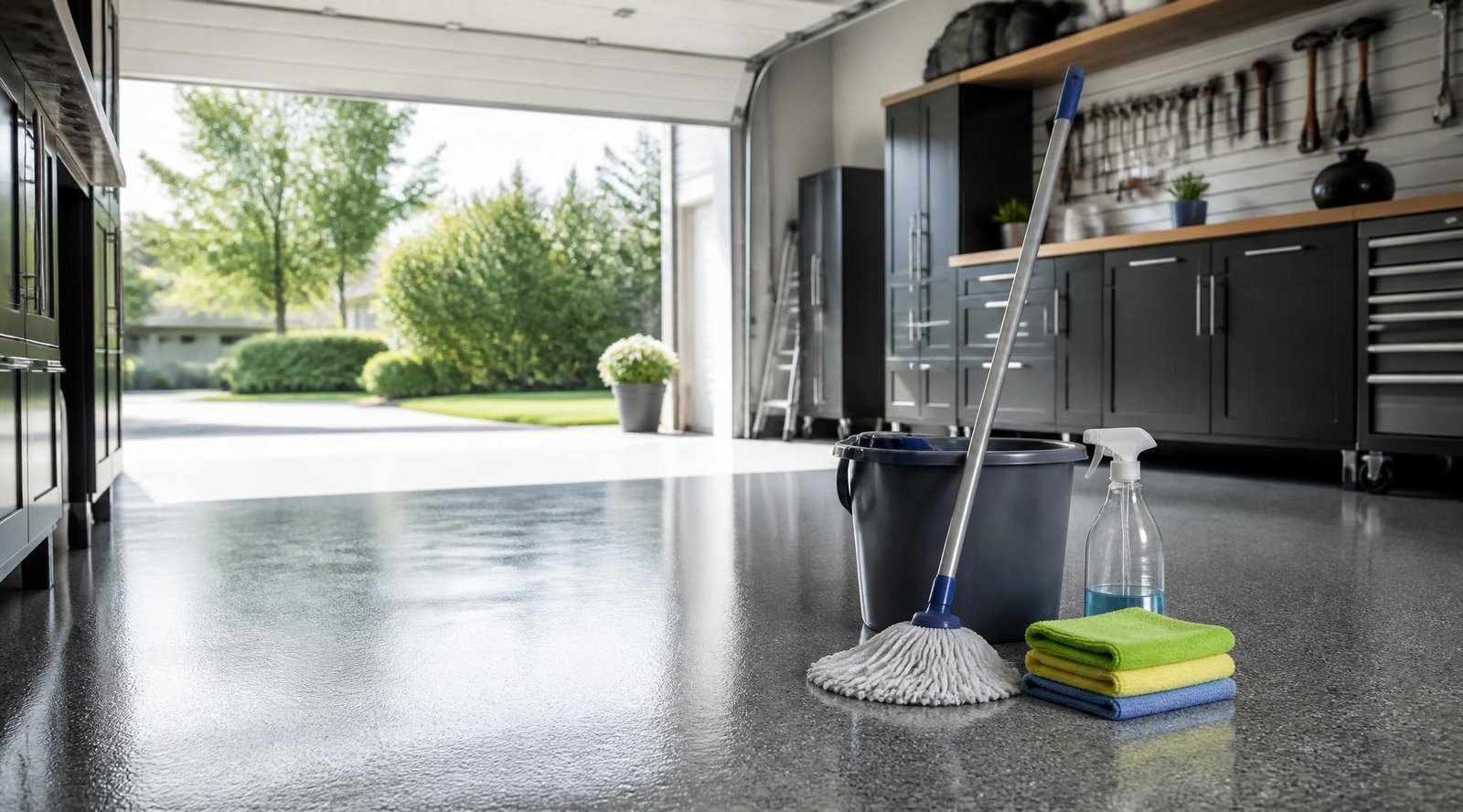
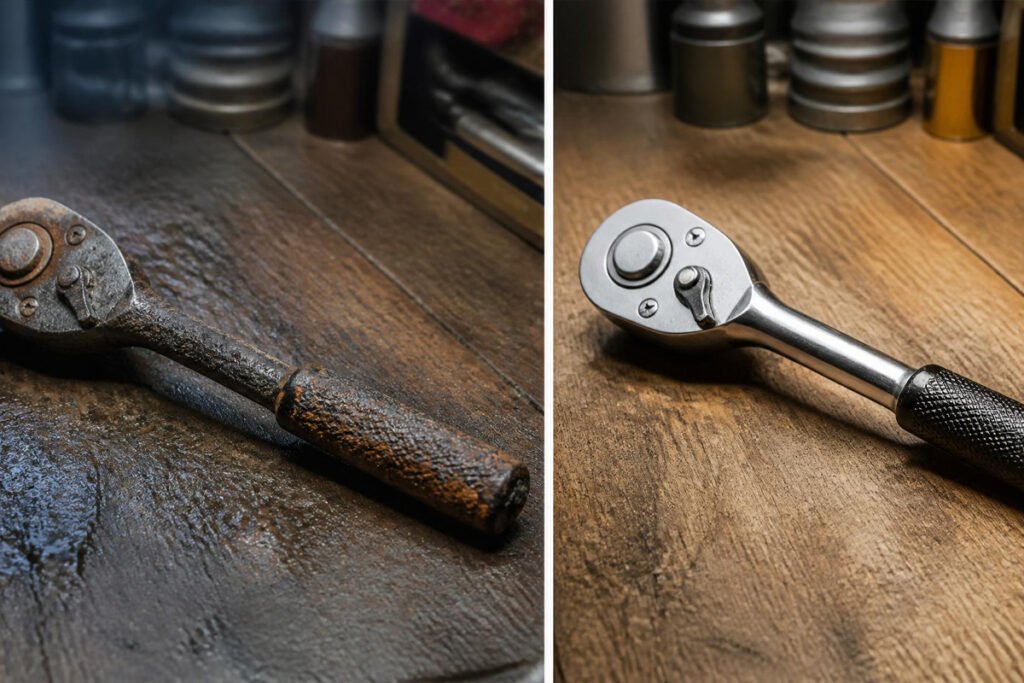
If your garage smells musty, your tools have a thin layer of surface rust no matter how often you wipe them down, or you’ve noticed condensation beading on cold metal surfaces, humidity is almost certainly the culprit. Garages are notoriously bad at managing moisture — they’re often uninsulated, poorly ventilated, and directly exposed to whatever comes in on tires, boots, and open doors.
The fix isn’t more cleaning. It’s controlling the humidity itself, and that’s exactly what a dehumidifier is built to do. This guide covers the best garage dehumidifiers worth owning in 2026, what separates a garage-rated unit from a basement model, and how to size one correctly for your space.
If musty smells have already set into your garage door or walls, our guide on cleaning a garage door is a useful next step alongside dehumidifying the space.
Quick Answer
The best garage dehumidifier depends on your garage’s size and climate. For small, one-car garages, a compact 30–35 pint unit is usually enough. For larger two-car garages or consistently damp climates, a 50-pint or larger unit with a pump for continuous drainage saves you from emptying a tank daily. For unheated garages in cold climates, look for a low-temperature or “frost-free” rated compressor, since standard dehumidifiers stop working efficiently below about 41°F (5°C). For very large or attached garages doubling as workshops, a whole-space commercial-grade unit covers square footage a residential model can’t. And if you just want basic moisture control without running a full appliance, a passive desiccant dehumidifier handles small spaces and cabinets with zero power draw.
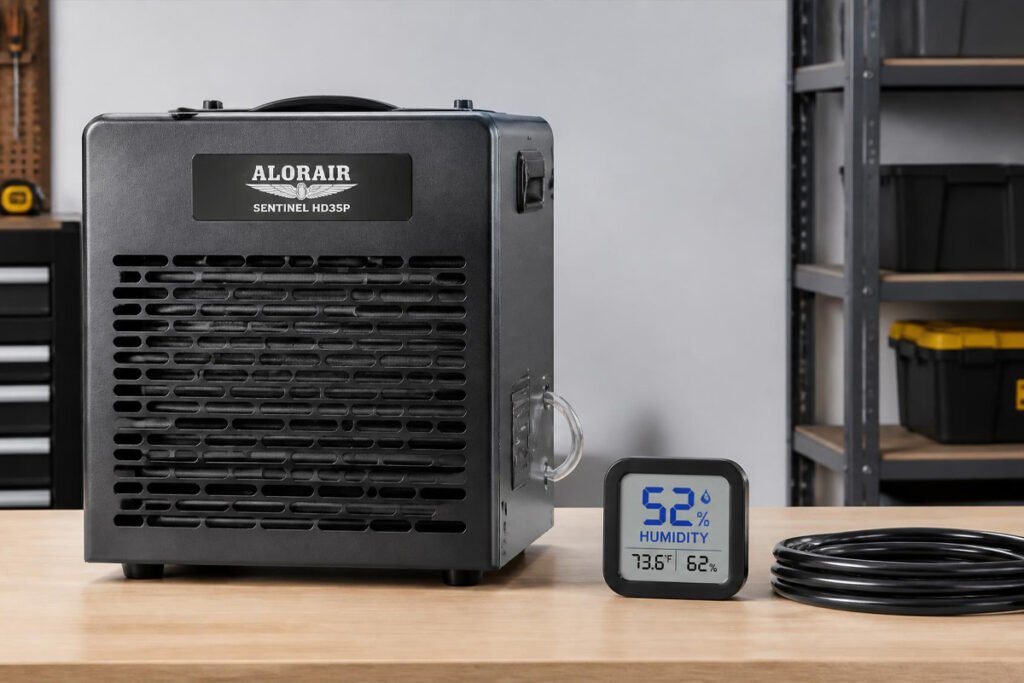
Table of Contents
- Why Garages Have a Humidity Problem
- How to Choose the Right Garage Dehumidifier
- Best Garage Dehumidifiers Available
- Comparison Table
- Best Dehumidifiers for Different Garage Types
- How to Set Up a Garage Dehumidifier Correctly
- Common Mistakes
- Expert Tips
- Final Thoughts
- Frequently Asked Questions
Why Garages Have a Humidity Problem
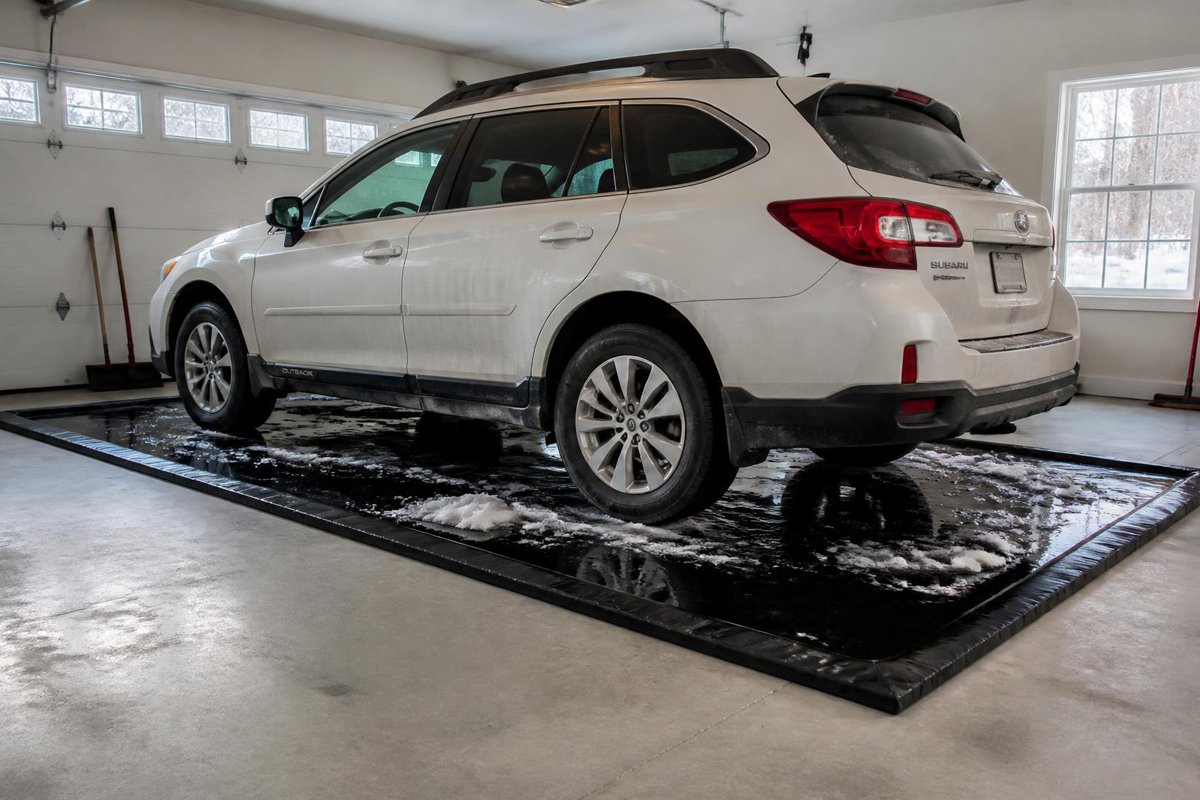
Unlike the rest of a house, garages are rarely built with climate control in mind. Concrete floors absorb and slowly release moisture, doors seal poorly compared to insulated exterior walls, and everything from wet tires to washing a car indoors introduces extra humidity that has nowhere to go. Add limited airflow, and you get the textbook conditions for condensation, mold growth, and rust.
This matters beyond comfort. Tools rust, cardboard storage boxes go soft, and anything with exposed metal — bike frames, power equipment, even your car’s undercarriage — corrodes faster in chronically humid air. A dehumidifier addresses the root cause rather than just the symptoms you’d otherwise be scrubbing away.
For the broader picture of keeping stored items in good shape, see our garage organization ideas guide for storage setups that also help with airflow.
How to Choose the Right Garage Dehumidifier
Before buying, ask yourself:
- How big is my garage, and how humid is my region? Pint capacity should scale with both square footage and your local climate’s baseline humidity.
- How cold does my garage get in winter? Standard dehumidifiers lose efficiency in cold air — the U.S. Department of Energy notes that dehumidifier performance depends heavily on ambient temperature, which is why garage-rated, low-temperature units exist.
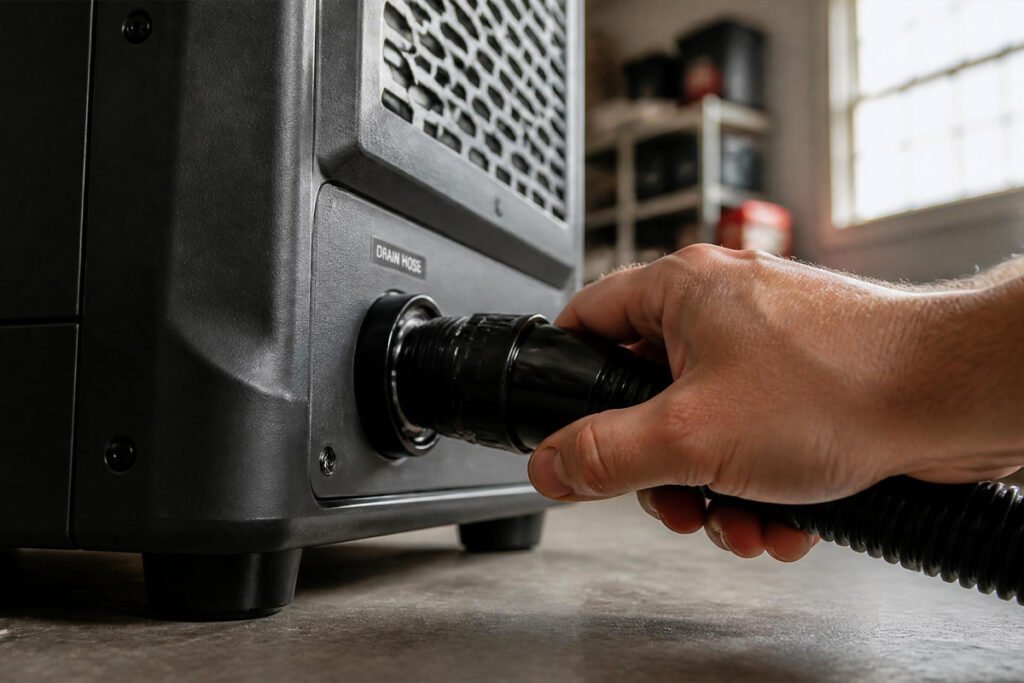
- Do I want to empty a tank, or set up continuous drainage? A gravity-drain hose or built-in pump means you’re not checking a tank every day, especially useful if the garage isn’t checked daily.
Best Garage Dehumidifiers Available
1. Compact 30–35 Pint Dehumidifier
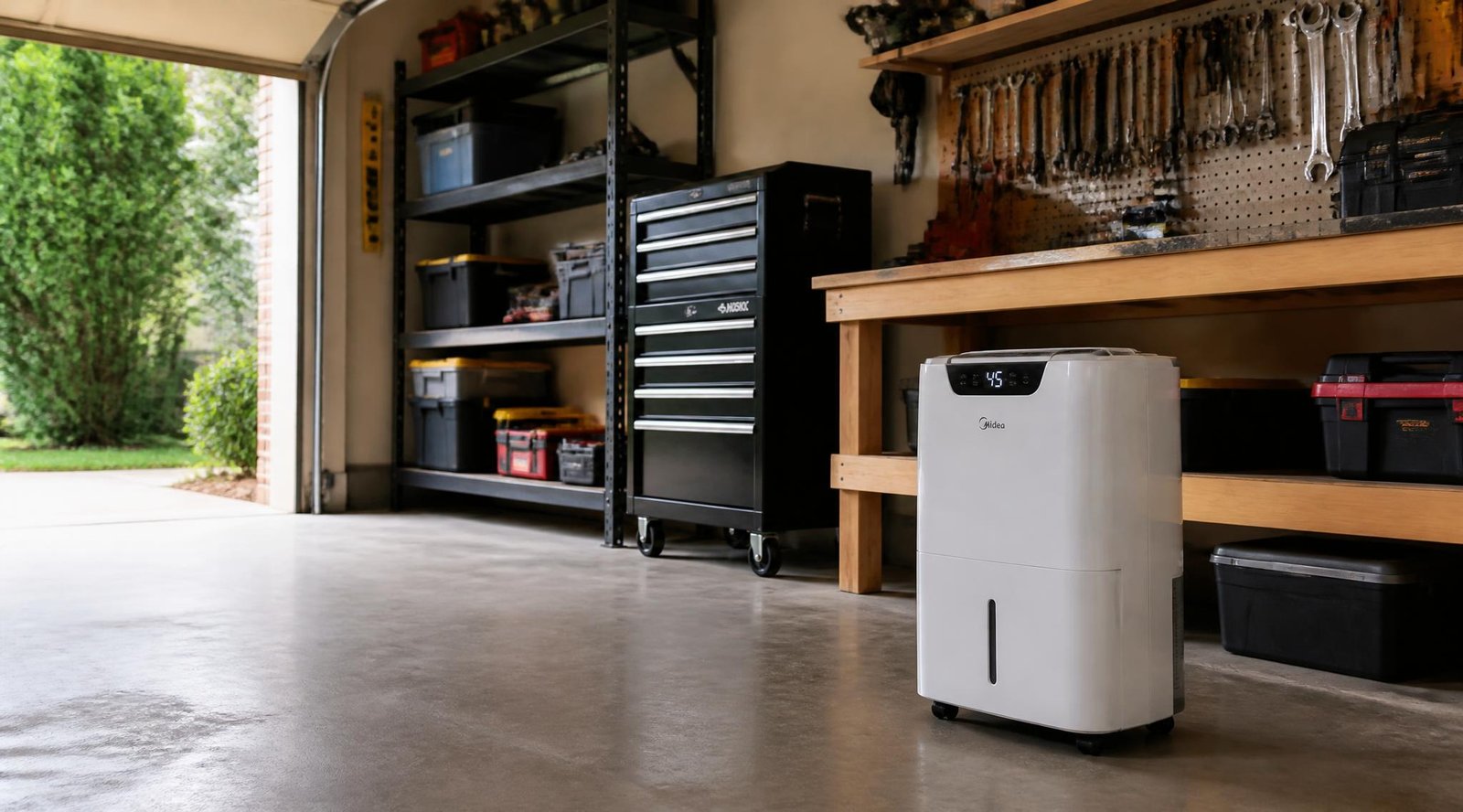
Overview: Sized for one-car garages or smaller workshop spaces, this class of dehumidifier is affordable, easy to move, and simple to operate — often with just a single humidity-level dial and an auto shut-off when the tank fills.
Key Features:
- Compact footprint that fits in a corner without blocking a car
- Removable tank with fill indicator
- Auto shut-off and often an auto-restart after power loss
- Caster wheels for easy repositioning
Best For: Single-car garages or small workshops under roughly 300 sq ft.
Pros: ✅ Affordable entry point ✅ Easy for anyone to operate ✅ Lightweight and portable
Cons: ❌ Requires manual tank emptying ❌ Underpowered for larger or consistently damp spaces
Our Verdict: A solid starting point if you’re dealing with mild mustiness rather than a serious moisture problem — just budget time to empty the tank every day or two.
2. 50+ Pint Dehumidifier with Continuous Drain Pump
Overview: Built for two-car garages or genuinely damp climates, this class steps up both capacity and convenience with a built-in pump that pushes collected water out through a hose — up the wall to a drain if needed, not just downhill by gravity.
Key Features:
- 50–70 pint daily moisture removal capacity
- Built-in condensate pump for uphill drainage
- Digital humidity readout and programmable target level
- Washable filter for long-term maintenance
Best For: Two-car garages, workshops, or homes in consistently humid regions.
Pros: ✅ No daily tank emptying with proper drain setup ✅ Handles significantly more square footage ✅ More precise humidity control
Cons: ❌ Higher upfront cost ❌ Pump adds another component that can eventually need servicing
Our Verdict: This is the “set it and forget it” tier — once plumbed to a drain, it runs continuously without maintenance beyond periodic filter cleaning.
3. Low-Temperature (Frost-Free) Garage-Rated Dehumidifier
Overview: Most consumer dehumidifiers are designed for indoor living spaces and lose efficiency — or ice over entirely — once temperatures drop below about 41°F (5°C). A low-temperature or frost-free rated unit uses a different refrigerant cycle and defrost logic specifically to keep working in unheated garages through winter.
Key Features:
- Rated to operate efficiently down to near-freezing temperatures
- Automatic defrost cycle to prevent coil icing
- Often paired with higher-capacity tanks or pump drainage
- Built for year-round, unconditioned space use
Best For: Unheated garages in climates with cold winters.
Pros: ✅ Keeps working when standard units would ice up or shut down ✅ Prevents the winter humidity swings that cause the worst condensation ✅ Extends protection to the coldest months, when rust risk is often highest
Cons: ❌ Pricier than standard-temperature units ❌ Slight efficiency drop still occurs in extreme cold, even with frost-free design
Our Verdict: If your garage isn’t heated and you live somewhere winters get genuinely cold, this is the category worth paying extra for — a standard unit will simply stop being useful exactly when you need it most.
4. Whole-Space Commercial-Grade Dehumidifier
Overview: For large attached garages, multi-bay workshops, or garages that double as a home gym or storage warehouse, residential-class units often can’t keep pace. Commercial-grade dehumidifiers move significantly more air and moisture per hour, covering square footage a standard unit would struggle with.
Key Features:
- Coverage rated for large or multi-room spaces
- Higher airflow (CFM) rating than residential units
- Often includes ducting options for connecting to multiple rooms
- Built with more durable, continuous-duty components
Best For: Large workshops, multi-car garages, or combined garage/basement spaces.
Pros: ✅ Handles square footage residential units can’t ✅ Built for continuous, heavy-duty operation ✅ Often more durable long-term
Cons: ❌ Significant upfront cost ❌ Larger footprint and higher power draw
Our Verdict: Overkill for a typical single-car garage, but the right call if you’re managing a large workshop or a garage that’s really functioning as an extra room.
5. Passive Desiccant Dehumidifier (No Power Required)
Overview: Not every space needs a full electric unit. Desiccant dehumidifiers use a moisture-absorbing material (often calcium chloride or silica gel) in a small container, drawing humidity out of the air passively — no plug, no motor, no noise.
Key Features:
- Zero power consumption
- Compact size for cabinets, tool chests, or small enclosed areas
- Refillable or rechargeable (some models can be “recharged” in direct sunlight or an oven)
- Silent operation
Best For: Small enclosed spaces like tool cabinets, storage bins, or a small shed-sized garage.
Pros: ✅ No electricity or noise ✅ Very inexpensive per unit ✅ Great for targeted, small-space moisture control
Cons: ❌ Not effective for whole-garage humidity control ❌ Needs regular refilling or replacement
Our Verdict: Not a replacement for a real dehumidifier in a full garage, but an excellent low-cost supplement for a tool chest or a small storage area that a bigger unit doesn’t reach.
Comparison Table
| Dehumidifier Type | Best For | Power Required | Maintenance | Approx. Coverage |
|---|---|---|---|---|
| Compact 30–35 Pint | Single-car garages | Yes | Daily tank emptying | Up to ~300 sq ft |
| 50+ Pint with Pump | Two-car garages, humid climates | Yes | Periodic filter cleaning | 300–700 sq ft |
| Low-Temp/Frost-Free | Unheated garages, cold winters | Yes | Periodic filter cleaning | Varies by model |
| Commercial-Grade | Large workshops, multi-bay garages | Yes | Scheduled servicing | 700+ sq ft |
| Passive Desiccant | Cabinets, small enclosed spaces | No | Refill/recharge periodically | Small enclosed areas only |
Best Dehumidifiers for Different Garage Types
Attached, Insulated Garages
If your garage is attached and somewhat insulated, a standard 30–50 pint unit usually performs well year-round, since temperatures rarely drop low enough to trigger the icing issues that plague standard units in unheated spaces.
Detached or Unheated Garages
This is where a low-temperature, frost-free rated unit earns its higher price tag — a standard dehumidifier left in an unheated detached garage through winter often ices over and stops functioning right when humidity swings are at their worst.
Workshop or Multi-Use Garages
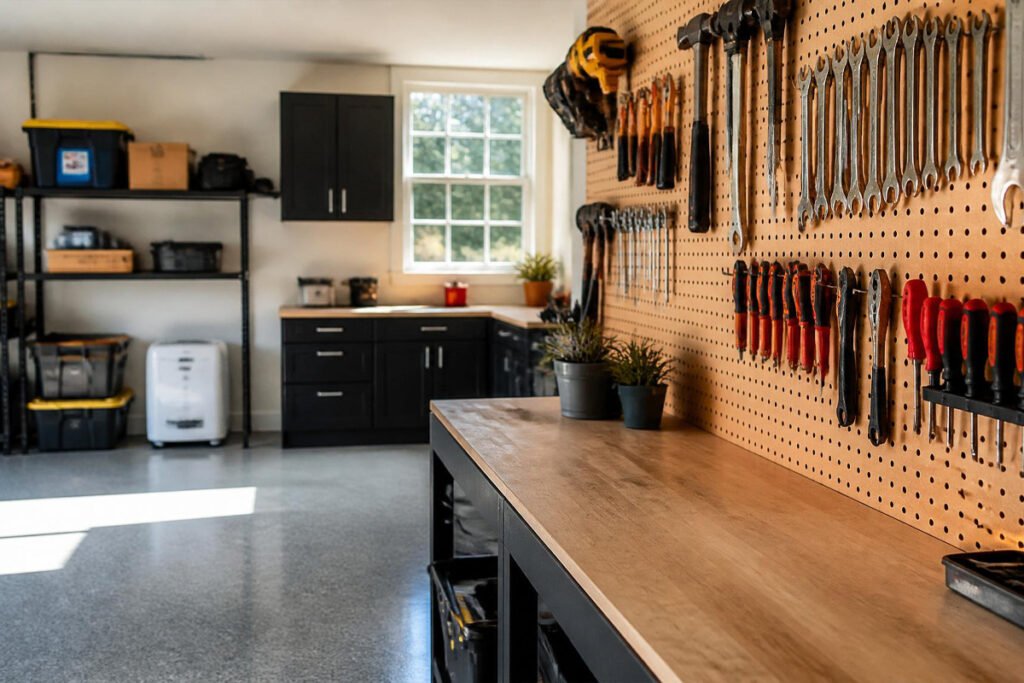
If your garage doubles as a workshop, gym, or storage space for finished goods, moisture control matters even more — rust on tools and warping on wood stock happen faster than most people expect. Pairing a higher-capacity or commercial-grade unit with organized, ventilated storage (see our garage organization ideas) gives humidity somewhere to escape rather than pooling around dense storage.
How to Set Up a Garage Dehumidifier Correctly
Improper electrical setup in a garage can create real hazards — the National Fire Protection Association recommends using appropriately rated outlets and avoiding extension cords for continuous-duty appliances like dehumidifiers.
Step 1: Measure Your Space
Calculate square footage and note your garage’s typical humidity level with a basic hygrometer.
Step 2: Choose Placement
Position the unit centrally, away from walls, to allow proper airflow on all sides.
Step 3: Set Up Drainage
Connect a gravity hose to a floor drain, or use a pump-equipped unit if you need to drain uphill.
Step 4: Set Your Target Humidity
Most guidance points to keeping indoor relative humidity between 30–50% to limit mold and corrosion risk.
Step 5: Monitor and Adjust
Check your hygrometer reading after a few days and adjust the target level or unit placement as needed.
Common Mistakes
Buying based on garage size alone, without factoring climate. A 30-pint unit that works fine in a dry region can be completely inadequate in a consistently humid one — always weigh both square footage and local humidity levels.
Using a standard-temperature unit in an unheated winter garage. Standard dehumidifiers can ice over and stop working below roughly 41°F, which is exactly when a detached garage often needs it most — a frost-free rated model avoids this.
Ignoring drainage until the tank overflows. Manually emptying a tank works fine at first, but it’s easy to forget — setting up a gravity drain or pump from day one avoids water damage from an overlooked full tank. If dampness has already caused staining on your garage floor, our guide on removing floor stains is a useful companion fix.
Expert Tips
Pair a dehumidifier with basic ventilation. Even a small fan or cracked window vent helps distribute dry air more evenly instead of leaving pockets of humidity in corners the unit doesn’t reach directly.
Check your hygrometer, not just your gut. Musty smells and rust are lagging indicators — a $10 hygrometer gives you a number to actually manage against, rather than guessing.
Clean or replace filters on schedule. A clogged filter reduces a dehumidifier’s effective capacity substantially, even though the unit will keep running and seem to be working.
Final Thoughts
Best Overall: The 50+ pint unit with a continuous drain pump, since it balances real capacity with low day-to-day maintenance for most standard garages.
Best for Cold Climates: The low-temperature, frost-free rated dehumidifier, for anyone with an unheated detached garage.
Best Budget Option: The compact 30–35 pint unit, ideal for smaller garages with mild humidity issues.
Best for Targeted Use: The passive desiccant dehumidifier, for tool chests and small enclosed storage areas.
For more on keeping your garage in good condition overall, see our guides on cleaning a garage door and garage organization ideas.
Frequently Asked Questions
Do I really need a dehumidifier for my garage? If you’ve noticed musty smells, surface rust on tools, or condensation on metal surfaces, a dehumidifier addresses the underlying humidity causing those issues rather than just the symptoms.
What humidity level should I aim for in my garage? General guidance suggests keeping relative humidity between 30% and 50% to limit mold growth and corrosion risk.
Will a regular dehumidifier work in an unheated garage during winter? Not reliably — standard units can ice over below about 41°F, so an unheated garage in a cold climate needs a low-temperature or frost-free rated model.
How big of a dehumidifier do I need for a two-car garage? Most two-car garages do well with a 50-pint or larger unit, especially in consistently humid climates, though exact needs vary with insulation and local weather.
Can I just run a fan instead of buying a dehumidifier? A fan improves air circulation but doesn’t actually remove moisture from the air, so it helps alongside a dehumidifier rather than replacing one.
Do dehumidifiers use a lot of electricity? Larger units draw more power than small ones, but running one continuously is generally far cheaper than the cost of replacing rusted tools or repairing moisture damage over time.
How often do I need to empty a dehumidifier’s tank? This depends on humidity levels and tank size, but non-drained units in humid garages often need emptying daily; a gravity drain or pump avoids this entirely.
Can a dehumidifier get rid of a musty smell that’s already there? It helps prevent the smell from returning by controlling the humidity that causes it, but existing mold or mildew on surfaces may still need to be cleaned separately.
Is a desiccant dehumidifier enough for a whole garage? No — desiccant units work well for small enclosed spaces like cabinets, but they lack the capacity to manage humidity across an entire garage.
Does dehumidifying my garage protect my car? Yes, indirectly — reduced ambient humidity slows surface rust formation on exposed metal parts, including a car’s undercarriage, especially in garages where a car is regularly parked wet.
Author: Danial Marquez Last Updated: July 2026